
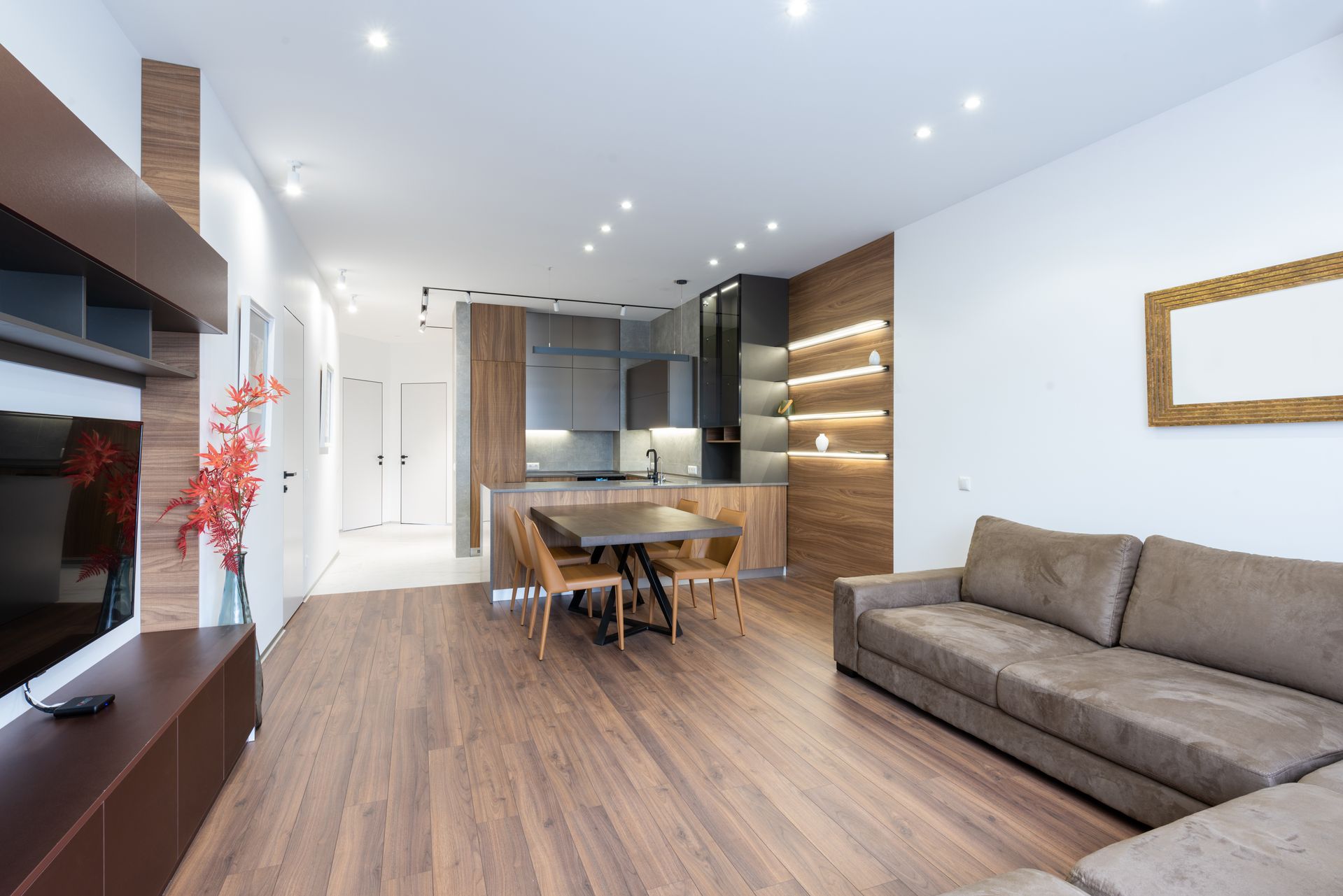
Lighting influences how every room looks, feels, and functions. While many homeowners focus on furniture, paint colors, and decorative accessories, lighting often determines whether a space truly supports daily activities. A single ceiling fixture may provide basic illumination, but it rarely meets every need within a room. Layered lighting solves this challenge by combining different types of lighting that work together. Ambient lighting from JOLIE provides overall brightness, task lighting supports specific activities, and accent lighting highlights architectural or decorative features. Each layer has a purpose. Together, they create spaces that are comfortable, practical, and visually balanced. Understanding why layered lighting creates more functional living spaces helps homeowners make better design choices that improve everyday living.
Building Balanced Illumination
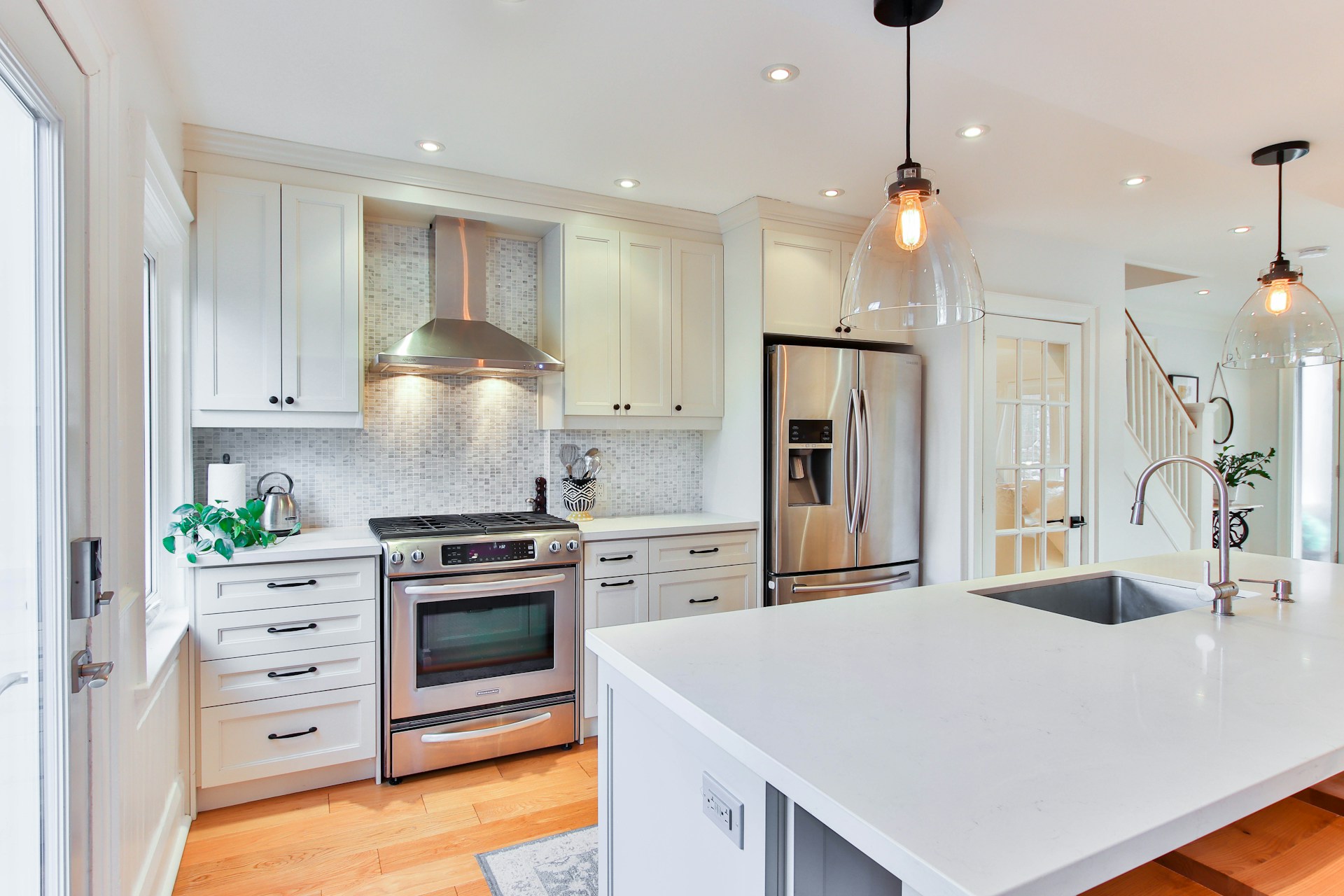
Every room serves more than one purpose. A living room may be used for relaxing, reading, entertaining guests, or watching television. A kitchen supports cooking, dining, and social gatherings. Because activities change throughout the day, lighting should also adapt. Layered lighting begins with ambient lighting, which provides general illumination across the room. Ceiling fixtures, recessed lights, or large pendant lights often serve this role. They establish the foundation for all other lighting. Task lighting adds focused brightness where people perform specific activities. Reading lamps, under-cabinet kitchen lights, and desk lamps improve visibility without requiring the entire room to be brightly illuminated. Accent lighting completes the design by drawing attention to artwork, shelving, fireplaces, or textured walls. Together, these layers create a balanced environment that feels both inviting and practical.
Supporting Everyday Activities
Good lighting helps people complete everyday tasks more comfortably. Reading, cooking, working, and grooming all require different amounts and directions of light. Task lighting reduces shadows that can interfere with visibility. Kitchen countertops become easier to use when under-cabinet lights illuminate food preparation areas. Bathroom mirrors provide better lighting for shaving or applying makeup when wall-mounted fixtures reduce facial shadows. Layered lighting allows homeowners to direct brightness exactly where it is needed. Instead of depending on one overhead fixture, each activity receives lighting designed for its specific purpose. This improves both comfort and efficiency throughout the home.
Creating Flexible Living Spaces
Modern homes often contain rooms that serve multiple purposes. Dining areas become workspaces during the day. Guest rooms function as home offices. Family rooms host movie nights, conversations, and quiet evenings. Layered lighting supports this flexibility by allowing different lighting combinations for different situations. Bright ambient lighting works well during cleaning or family gatherings. Softer accent lighting creates a relaxing atmosphere in the evening. Task lighting remains available whenever focused work is required. Dimmers and smart lighting controls further increase flexibility. Homeowners can adjust brightness levels throughout the day without changing the fixtures themselves. This adaptability makes living spaces more comfortable while responding to changing routines.
Enhancing Interior Design
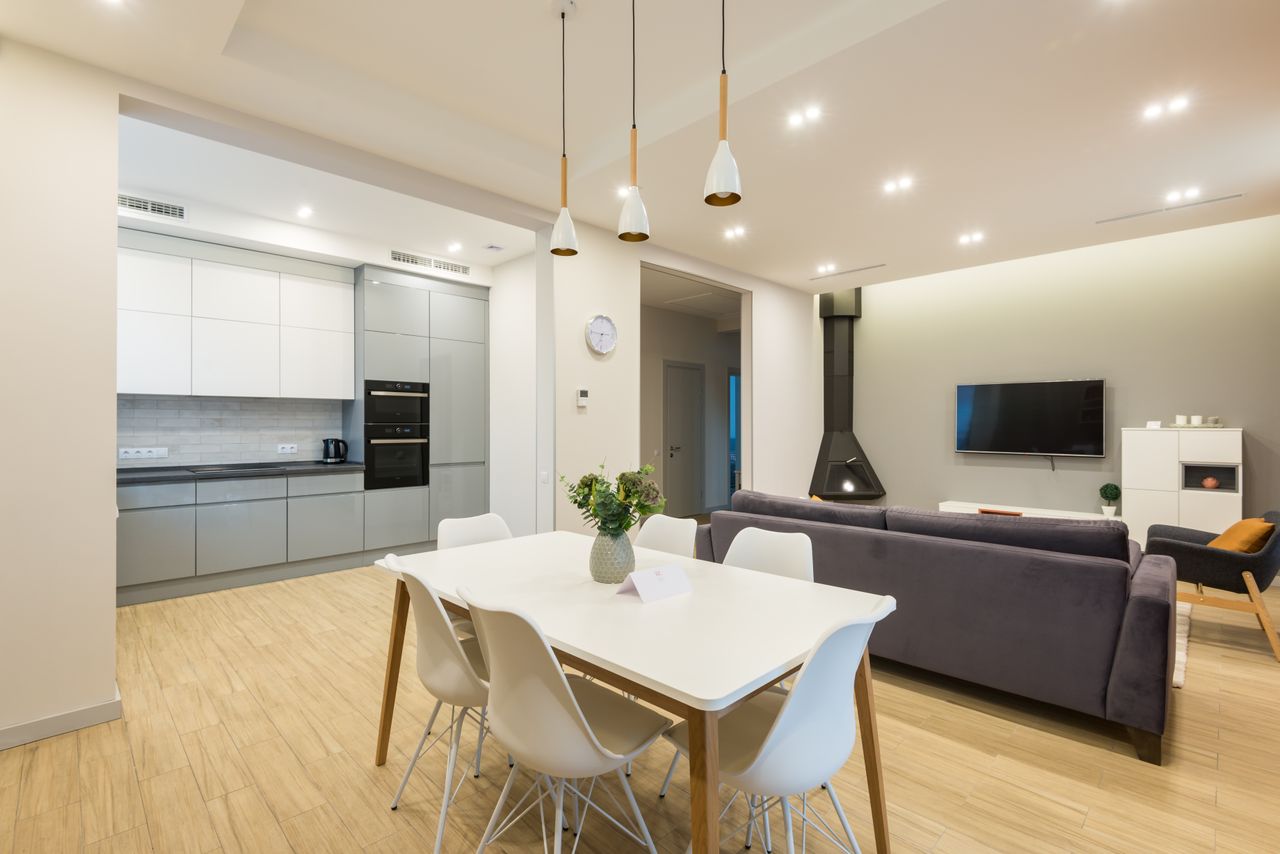
Lighting influences how people experience interior design. Colors, textures, furniture, and architectural details all appear differently depending on how light reaches them. Accent lighting helps showcase decorative features without overwhelming the room. Artwork becomes more noticeable when properly illuminated. Shelving gains depth through carefully placed lighting. Textured walls reveal more detail under angled light sources. Even simple decorative elements can appear more refined when lighting is thoughtfully planned. Rather than relying solely on natural daylight, layered lighting maintains visual interest after sunset. The result is a home that feels welcoming throughout every part of the day.
Improving Comfort and Mood
Lighting affects more than visibility. It also influences how comfortable a room feels. Harsh overhead lighting may create glare and make a room feel less inviting. Layered lighting softens the environment by distributing light from different directions. Table lamps, floor lamps, and wall sconces add gentle illumination that creates a warmer atmosphere. Different brightness levels also support changing moods. Brighter settings help maintain focus while working or studying. Softer lighting encourages relaxation during quiet evenings. Homeowners can create spaces that feel calm, energetic, or welcoming simply by adjusting which lighting layers are used. Comfort improves when lighting supports both physical needs and emotional well-being. Thoughtful lighting design contributes to a more enjoyable living experience every day.
Planning Long-Term Home Functionality
Layered lighting continues providing value long after installation. As family routines change, flexible lighting systems remain useful for different stages of life. Children grow into study spaces that require better task lighting. Home offices become more common. Older adults may benefit from improved visibility throughout the home. Layered lighting can adapt to these changing needs without requiring complete renovation. Energy-efficient LED technology also makes layered lighting more practical than in the past. Multiple fixtures can operate while consuming relatively little electricity. This allows homeowners to enjoy better lighting performance without significantly increasing energy use. Planning lighting as part of the overall home design creates spaces that remain functional for many years. Instead of treating lighting as a finishing detail, homeowners benefit from considering it as an essential part of everyday living.
Layered lighting creates more functional living spaces by building balanced illumination, supporting everyday activities, creating flexible rooms, enhancing interior design, improving comfort and mood, and preparing homes for changing needs. Each lighting layer contributes a different purpose while working together to improve the overall environment. Understanding why layered lighting creates more functional living spaces shows that effective lighting involves much more than adding brightness. A carefully planned combination of ambient, task, and accent lighting helps homes become more comfortable, attractive, and practical. As homeowners continue seeking interiors that support modern lifestyles, layered lighting remains one of the most effective ways to improve both functionality and everyday enjoyment.