
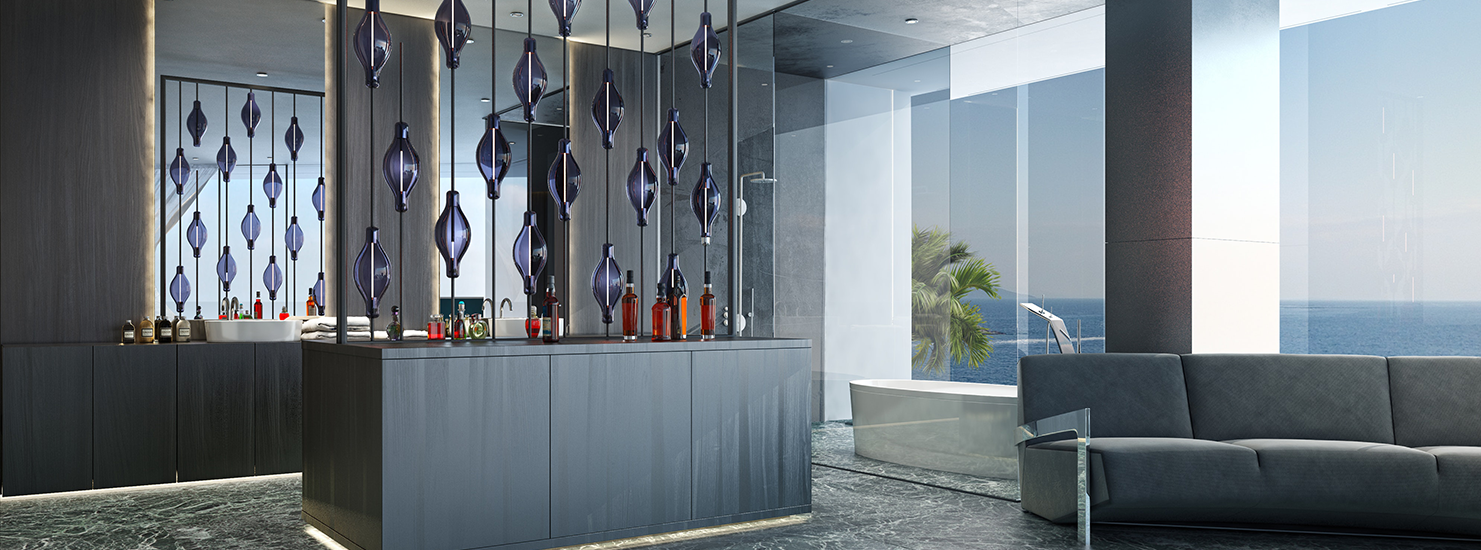
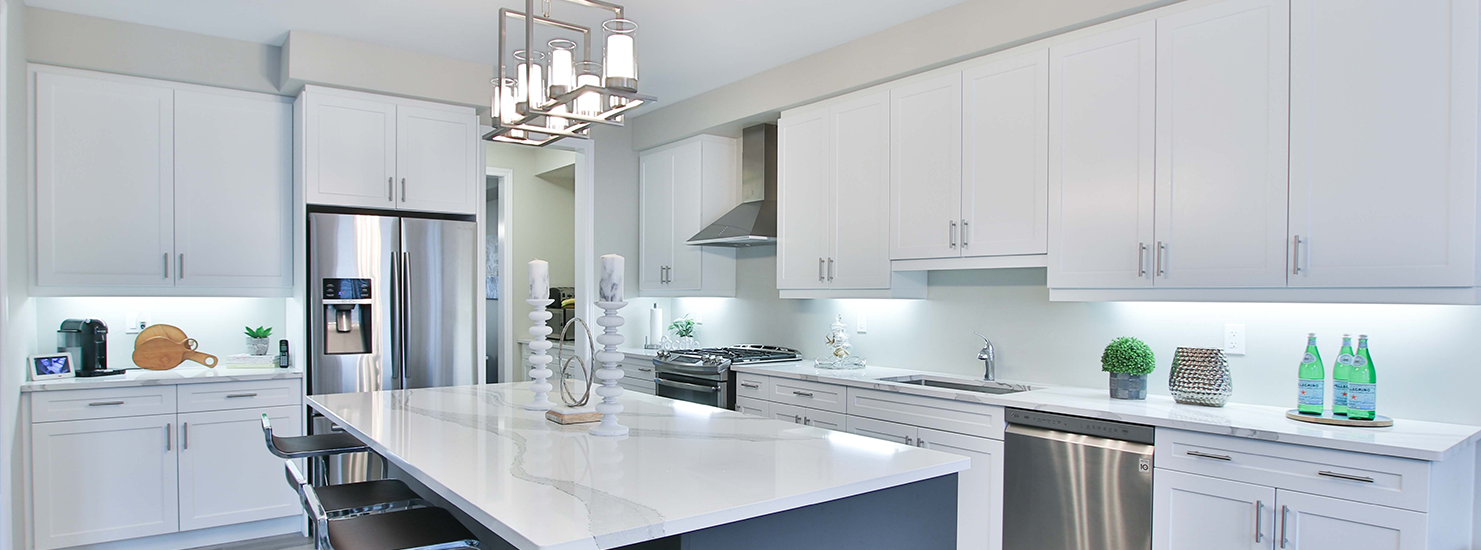
Lighting influences how every room looks, feels, and functions. While many homeowners focus on furniture, paint colors, and decorative accessories, lighting often determines whether a space truly supports daily activities. A single ceiling fixture may provide basic illumination, but it rarely meets every need within a room. Layered lighting solves this challenge by combining different types of lighting that work together. Ambient lighting from JOLIE provides overall brightness, task lighting supports specific activities, and accent lighting highlights architectural or decorative features. Each layer has a purpose. Together, they create spaces that are comfortable, practical, and visually balanced. Understanding why layered lighting creates more functional living spaces helps homeowners make better design choices that improve everyday living.
Building Balanced Illumination
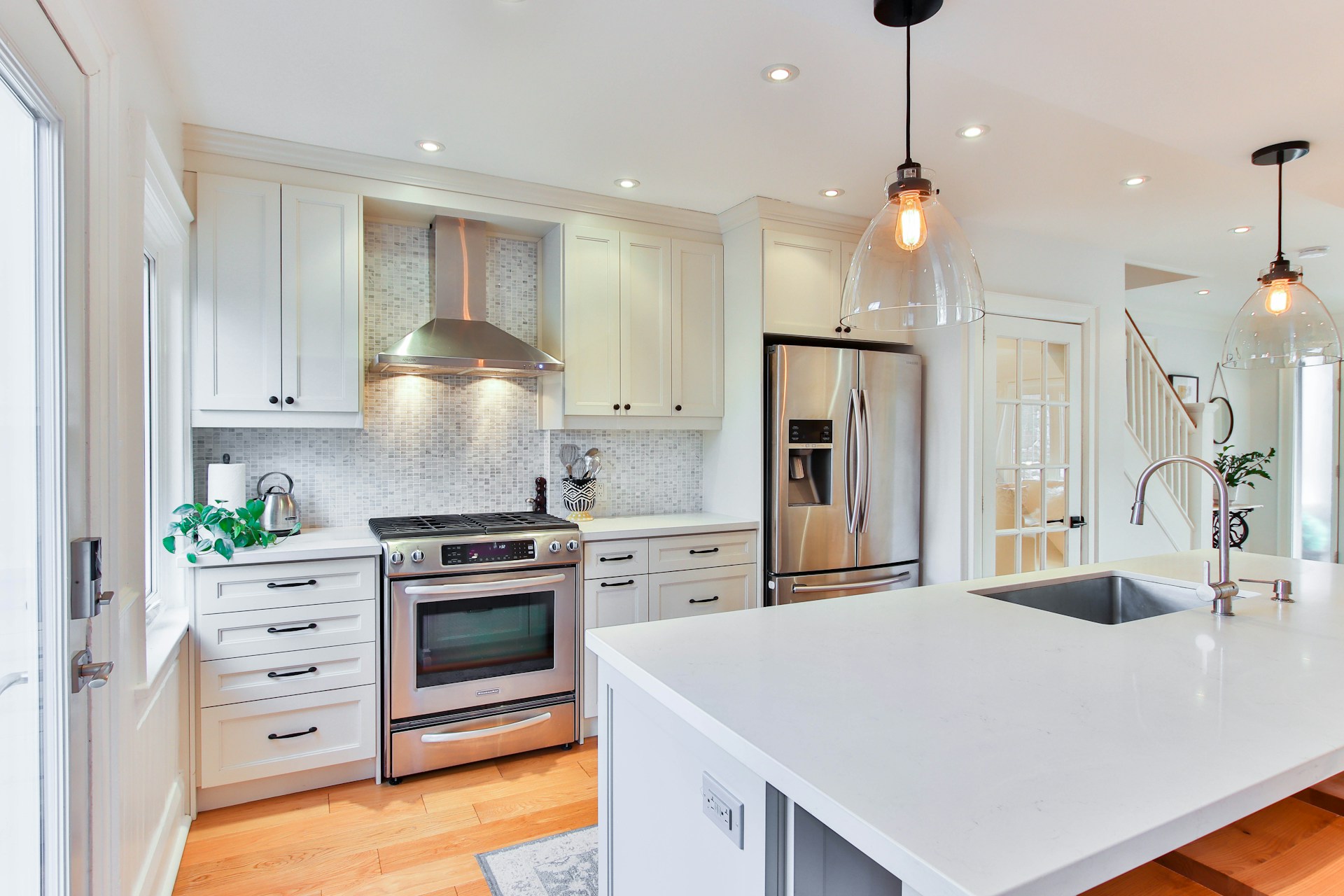
Every room serves more than one purpose. A living room may be used for relaxing, reading, entertaining guests, or watching television. A kitchen supports cooking, dining, and social gatherings. Because activities change throughout the day, lighting should also adapt. Layered lighting begins with ambient lighting, which provides general illumination across the room. Ceiling fixtures, recessed lights, or large pendant lights often serve this role. They establish the foundation for all other lighting. Task lighting adds focused brightness where people perform specific activities. Reading lamps, under-cabinet kitchen lights, and desk lamps improve visibility without requiring the entire room to be brightly illuminated. Accent lighting completes the design by drawing attention to artwork, shelving, fireplaces, or textured walls. Together, these layers create a balanced environment that feels both inviting and practical.
Supporting Everyday Activities
Good lighting helps people complete everyday tasks more comfortably. Reading, cooking, working, and grooming all require different amounts and directions of light. Task lighting reduces shadows that can interfere with visibility. Kitchen countertops become easier to use when under-cabinet lights illuminate food preparation areas. Bathroom mirrors provide better lighting for shaving or applying makeup when wall-mounted fixtures reduce facial shadows. Layered lighting allows homeowners to direct brightness exactly where it is needed. Instead of depending on one overhead fixture, each activity receives lighting designed for its specific purpose. This improves both comfort and efficiency throughout the home.
Creating Flexible Living Spaces
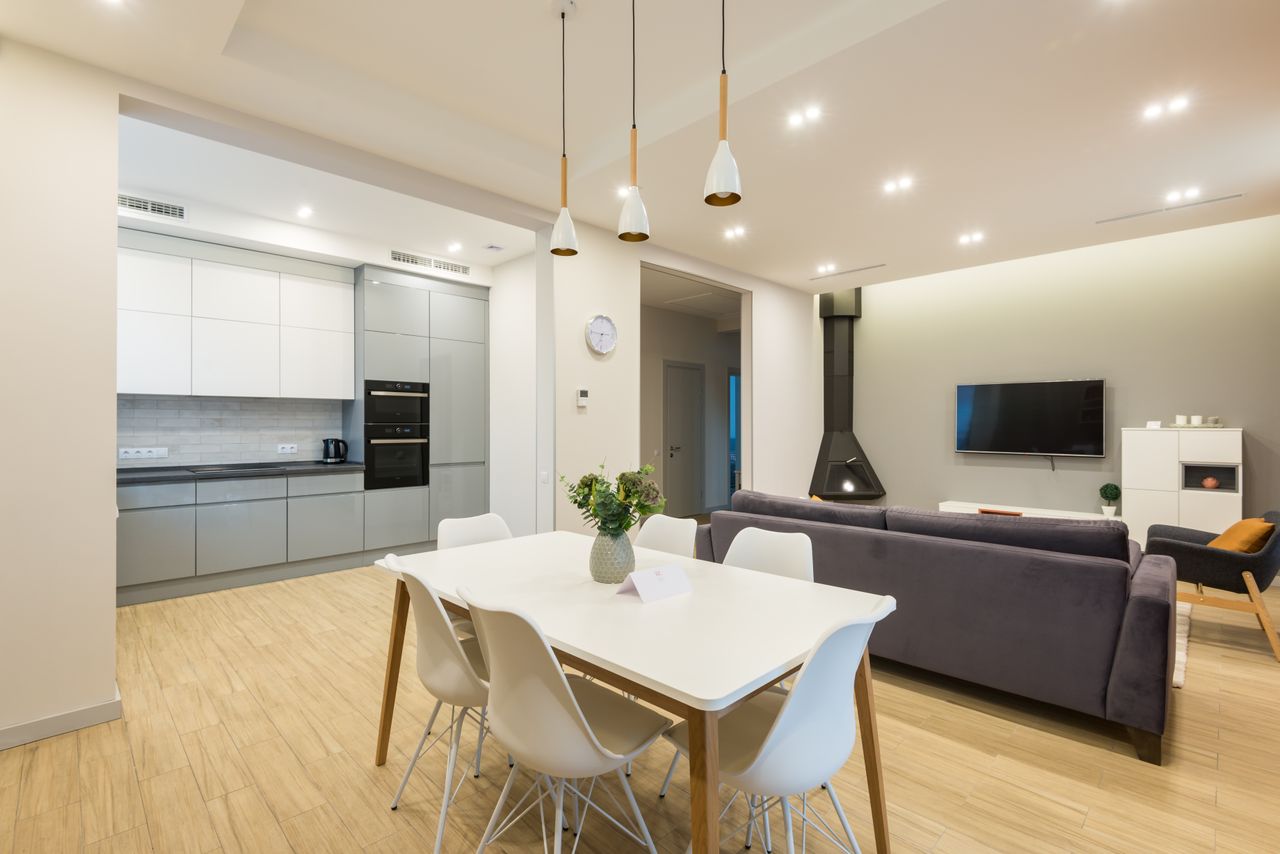
Modern homes often contain rooms that serve multiple purposes. Dining areas become workspaces during the day. Guest rooms function as home offices. Family rooms host movie nights, conversations, and quiet evenings. Layered lighting supports this flexibility by allowing different lighting combinations for different situations. Bright ambient lighting works well during cleaning or family gatherings. Softer accent lighting creates a relaxing atmosphere in the evening. Task lighting remains available whenever focused work is required. Dimmers and smart lighting controls further increase flexibility. Homeowners can adjust brightness levels throughout the day without changing the fixtures themselves. This adaptability makes living spaces more comfortable while responding to changing routines.
Enhancing Interior Design
Lighting influences how people experience interior design. Colors, textures, furniture, and architectural details all appear differently depending on how light reaches them. Accent lighting helps showcase decorative features without overwhelming the room. Artwork becomes more noticeable when properly illuminated. …
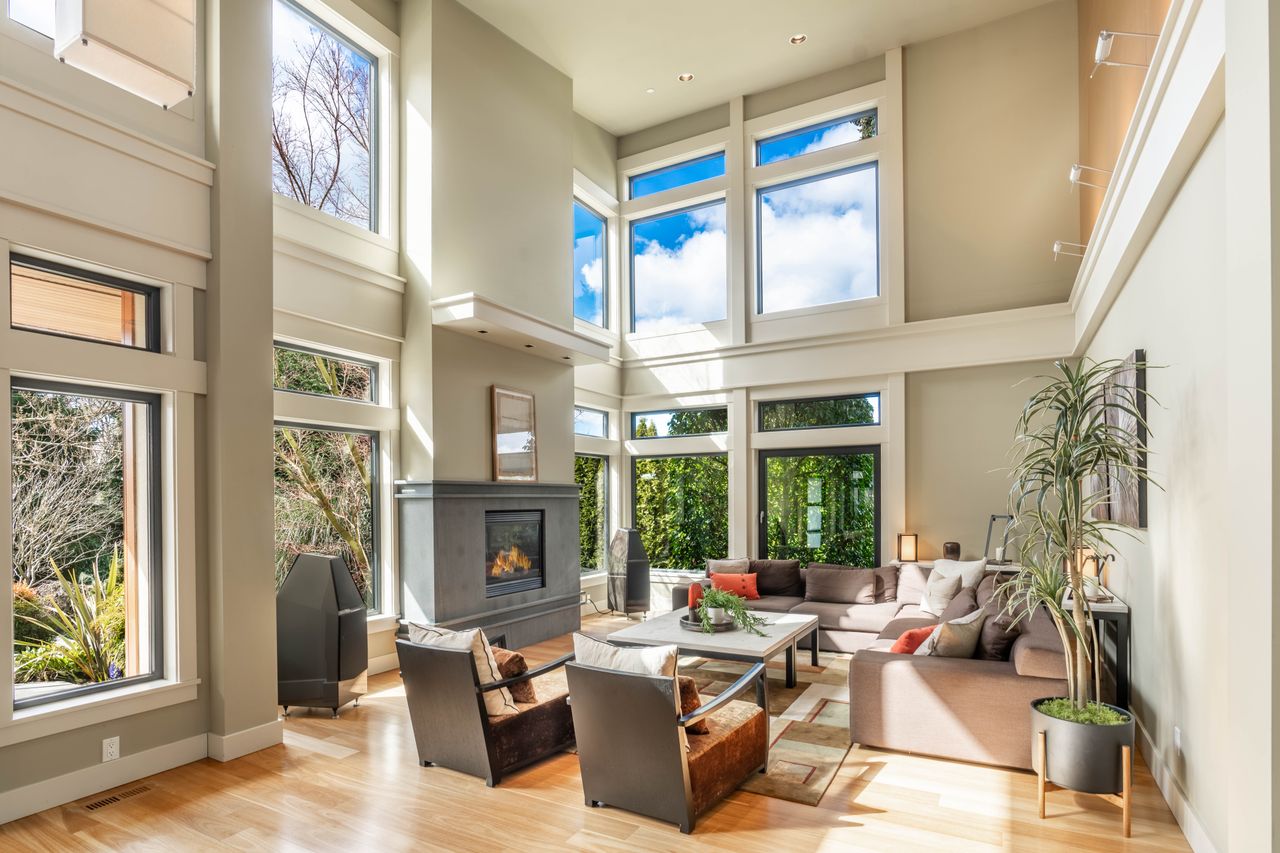
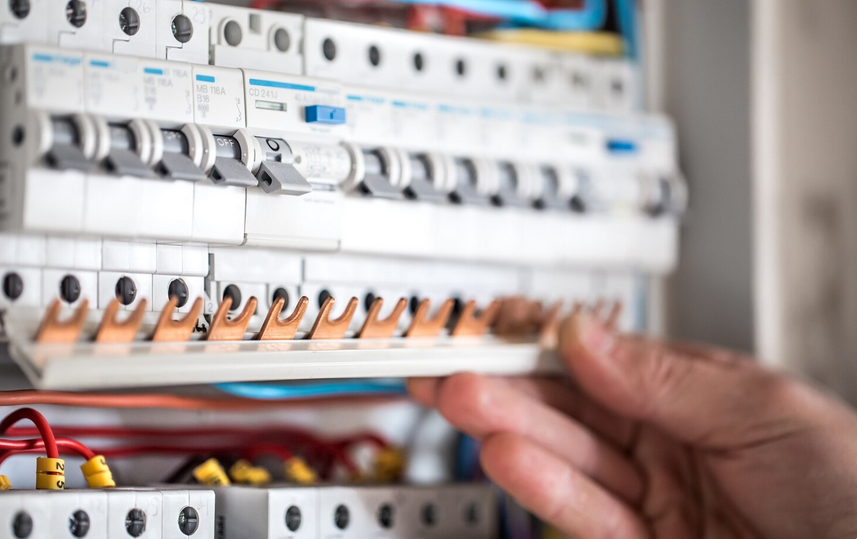


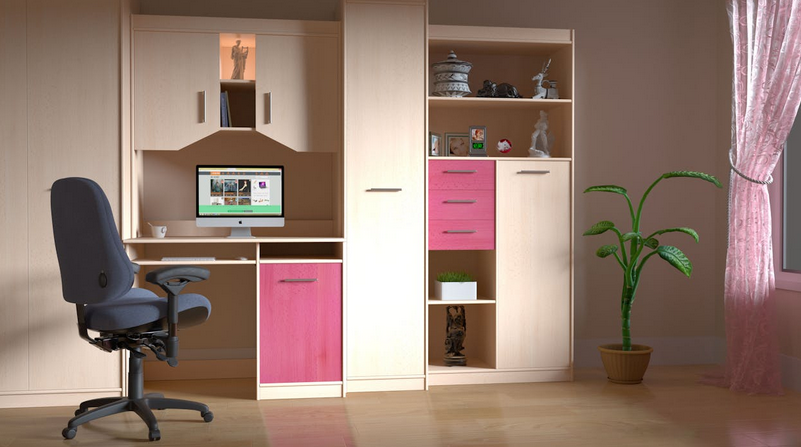


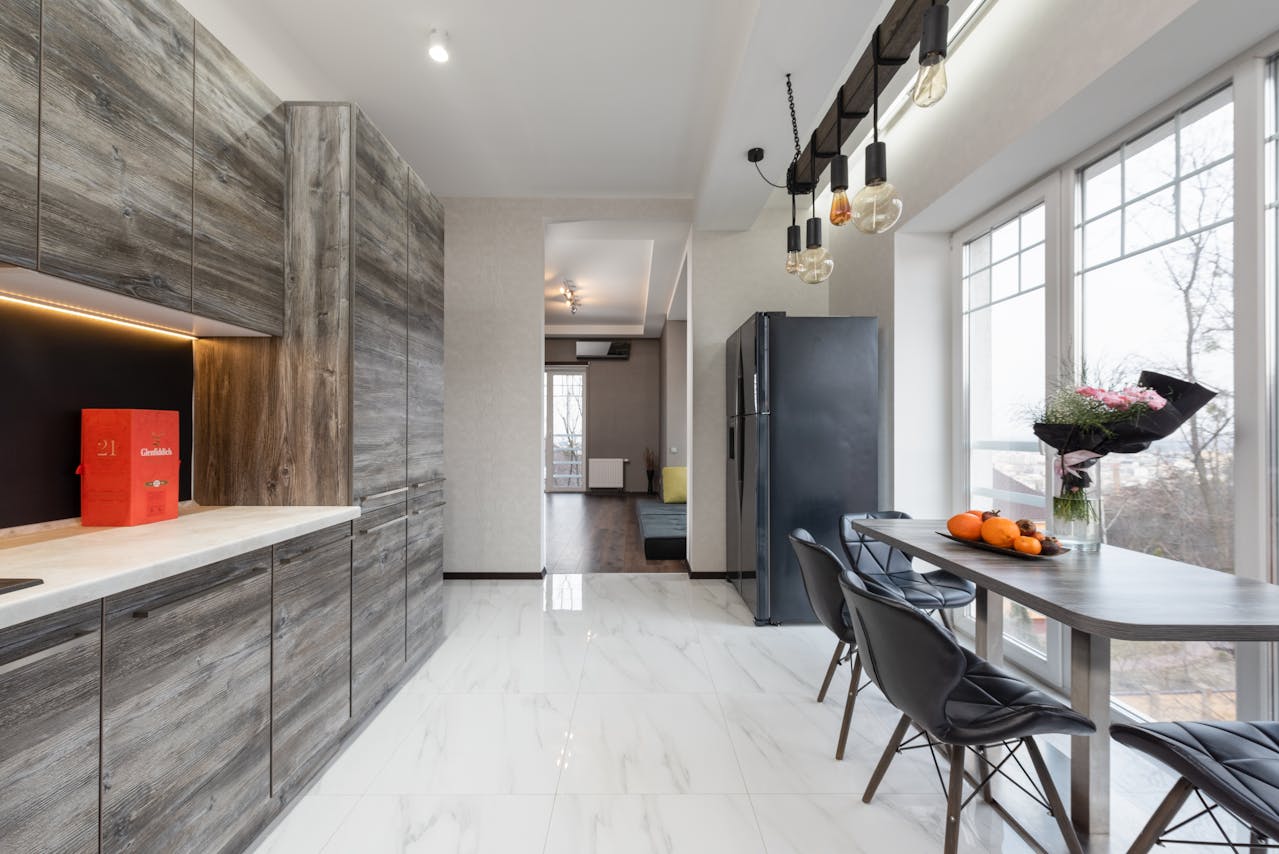

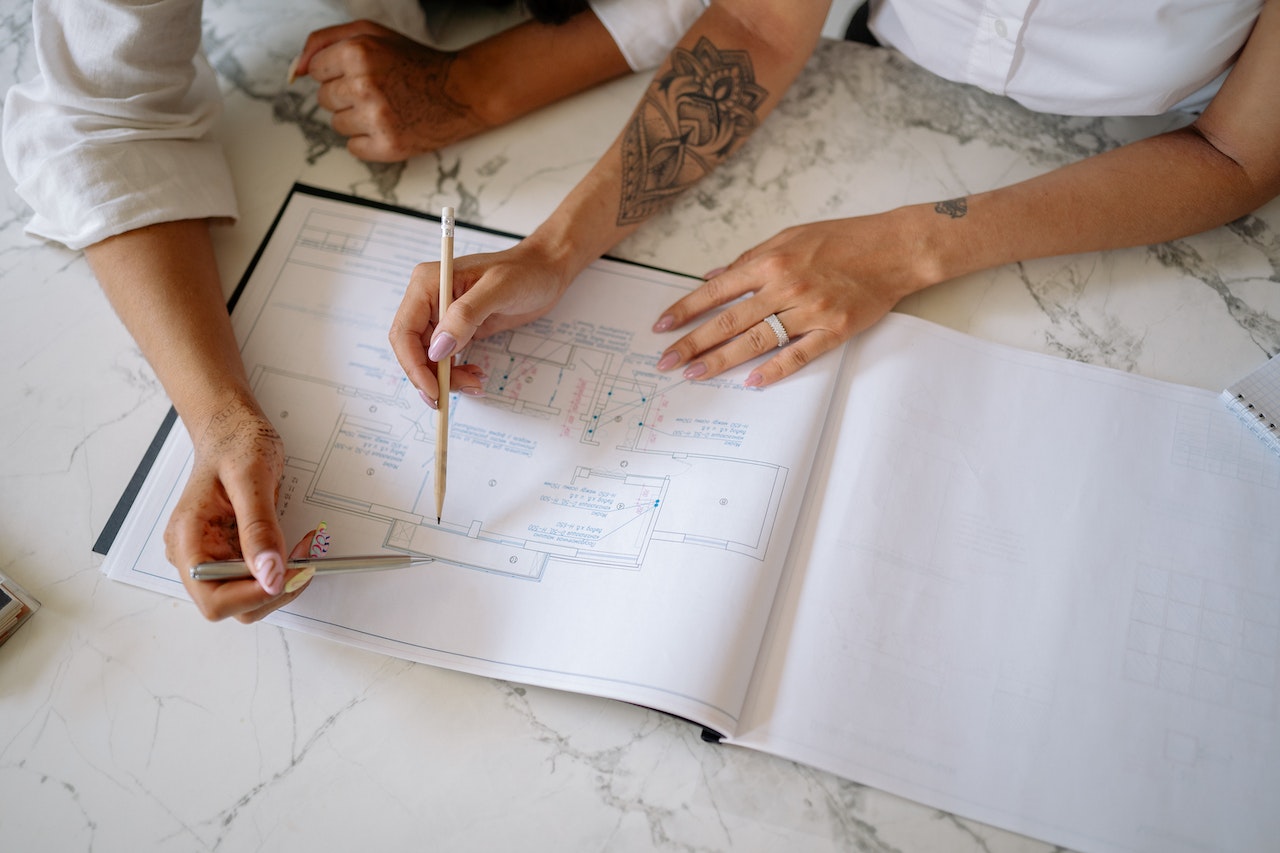
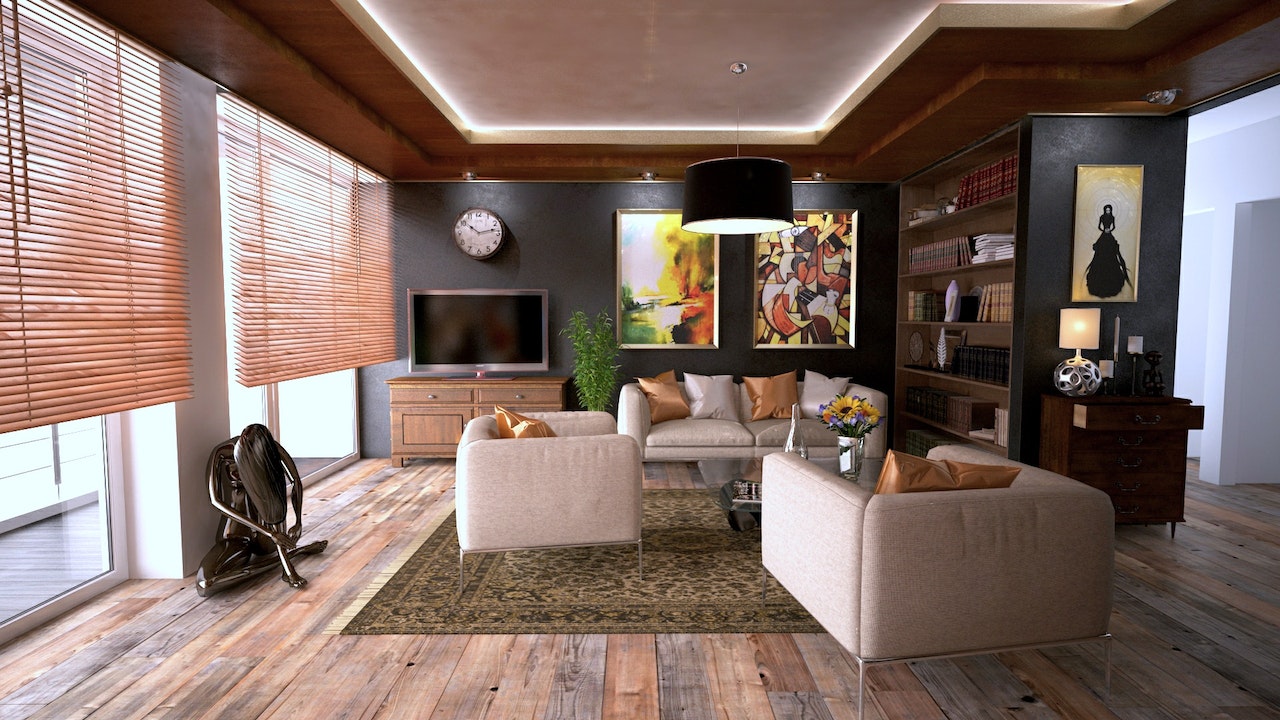
 Each design expert contributes a unique skill set to a home project. Architects are often the first point of contact, as they design the structural layout, ensuring the building is safe, functional, and compliant with local codes. Exterior designers focus on curb appeal, selecting materials, shapes, and landscaping that align with the environment and architectural vision. Interior designers, on the other hand, plan how the inside will look and feel—from room layout and lighting to color schemes and furnishings. These professionals don’t just decorate—they optimize space, flow, and comfort while tying everything together stylistically.
 Design oversights can lead to expensive changes later. Without expert input, homeowners may choose finishes that clash, layouts that limit furniture placement, or exteriors that don’t complement the surroundings. Experts help anticipate these issues and offer tailored solutions. For example, an exterior designer will select materials that perform well in your climate, while an interior designer will consider daily routines when planning storage or room transitions. Their collective experience prevents design conflicts, saving time, money, and frustration in the long run.
 Professional installation is essential not only for safety but also for compliance with local building codes. Labor costs vary by region, but on average, you can expect to pay $500 to $1,000 for installation. This includes removing the old tank, setting up the new unit, making necessary connections, and ensuring everything is up to code. If your home requires major plumbing or electrical modifications, that price can rise significantly.
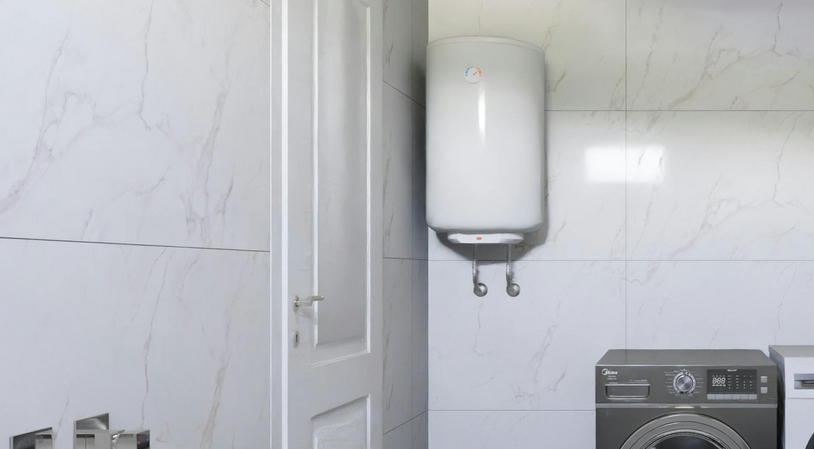 If you’re considering switching to a tankless water heater for energy efficiency and space-saving benefits, be prepared for a higher initial investment. Tankless systems can cost between $1,000 and $3,000 for the unit and $1,000 to $2,500 for installation. While they offer long-term energy savings and virtually unlimited hot water, the upfront cost is significantly higher than traditional tanks.







 Education is key to promoting sustainable waste management practices among tenants. Provide educational materials, such as flyers, newsletters, or workshops, to inform residents about the importance of recycling, composting, and waste reduction. Encourage tenants to take an active role in waste management by providing tips and resources for adopting eco-friendly habits. By fostering a culture of sustainability within your community, property owners can empower tenants to make environmentally conscious choices and reduce garbage fees collectively.…
 One of the most compelling reasons to prioritize energy efficiency in home construction is the potential for significant cost savings. While it may require an upfront investment, the long-term financial benefits are substantial. When your home is designed and built with energy efficiency in mind, you can expect reduced utility bills month after month. You can significantly decrease your energy consumption by implementing features such as proper insulation, high-performance windows, and efficient heating and cooling systems. Energy-efficient homes also tend to have better resale value. As more buyers become aware of the benefits of these types of properties, they are willing to pay a premium for homes with lower operating costs.
 When it comes to building a home, durability, and resilience are crucial factors to consider. A well-constructed home that is built with energy efficiency in mind will not only save you money on utility bills but also withstand the test of time. One of the key benefits of an energy-efficient home is its ability to handle extreme weather conditions. …
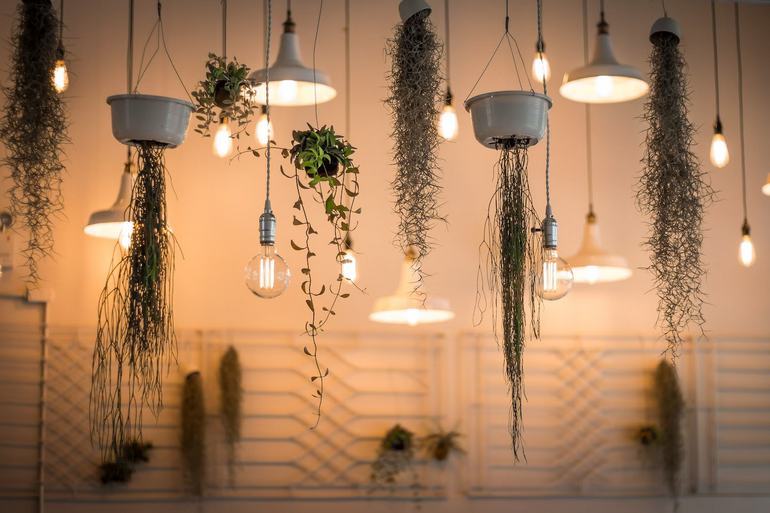
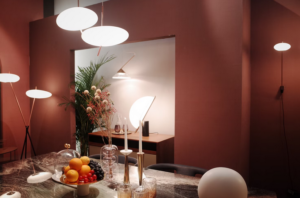 Gone are the days when lighting was just about providing adequate brightness. Nowadays, lifestyle lighting has become an essential aspect of interior design. Lifestyle lighting focuses on enhancing our daily activities and improving our overall well-being. It takes into consideration factors such as task-specific illumination, mood-enhancing lights, and even color-changing options.



 One of the main benefits of having a sump pump in your home is that it can help protect you from sewage backups. Sewage backups are one of the worst things that can happen to any homeowner and often cause significant damage. A sump pump works by pumping water away from your home and keeping it away, so if there ever were a sewage backup, it would be kept away from your home.
 Another common misconception about
  Another mistake people make is using hot water for laundry. While it may seem like using hot water will get your clothes cleaner, it uses more energy and costs more money. Instead, you should use cold water for your laundry. It will save you money on your electricity bill and is better for the environment. Also, did you know you can save money by washing your clothes in cold water and then line drying them?
 One of the main reasons to invest in improving your home’s exterior is that you will see a direct correlation in the value of your home. By fixing up the outside of your house, you are essentially increasing its curb appeal and making it more attractive to potential buyers. If you are thinking of selling your home in the near future, then it is definitely worth your while to invest in some exterior improvements.
 Improving your home’s exterior does not have to be a daunting task. In fact, it can be a fun project that you can complete in stages. This way, …
 The simplest way to
  Fans are a great way to keep cool during the summer. They circulate the air and help make you feel more comfortable. If you’re using fans, make sure that you stay hydrated by drinking lots of water. It’s also important to avoid being in direct sunlight while using fans.
 Modern houses require modern furniture like the adjustable bed. These beds take up very little space since they can be folded away when not in use. This is perfect for people who live in small apartments or houses because it frees up valuable floor space.
 Adjustable beds may seem like a luxury, but they are actually very affordable.
 Before you buy roofing materials, you’ll need to take a look at the climate in your area. If you live in an area with severe weather conditions, you’ll want to choose materials that can withstand those conditions. For example, if you live in an area with a lot of rain, you’ll want to select a water-resistant material.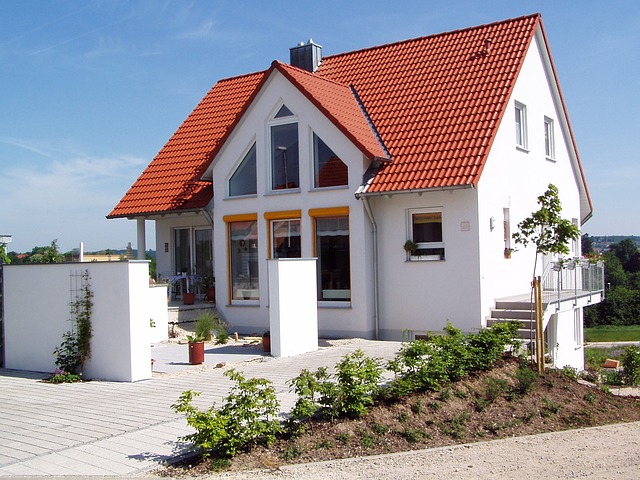
 As money is always a factor in home repairs, it is vital to consider the cost of different roofing materials. Some materials are more expensive than others. For example, metal roofs tend to be more costly than asphalt shingles. So, before you decide on a material, make sure you have considered your budget and what is feasible for you.