
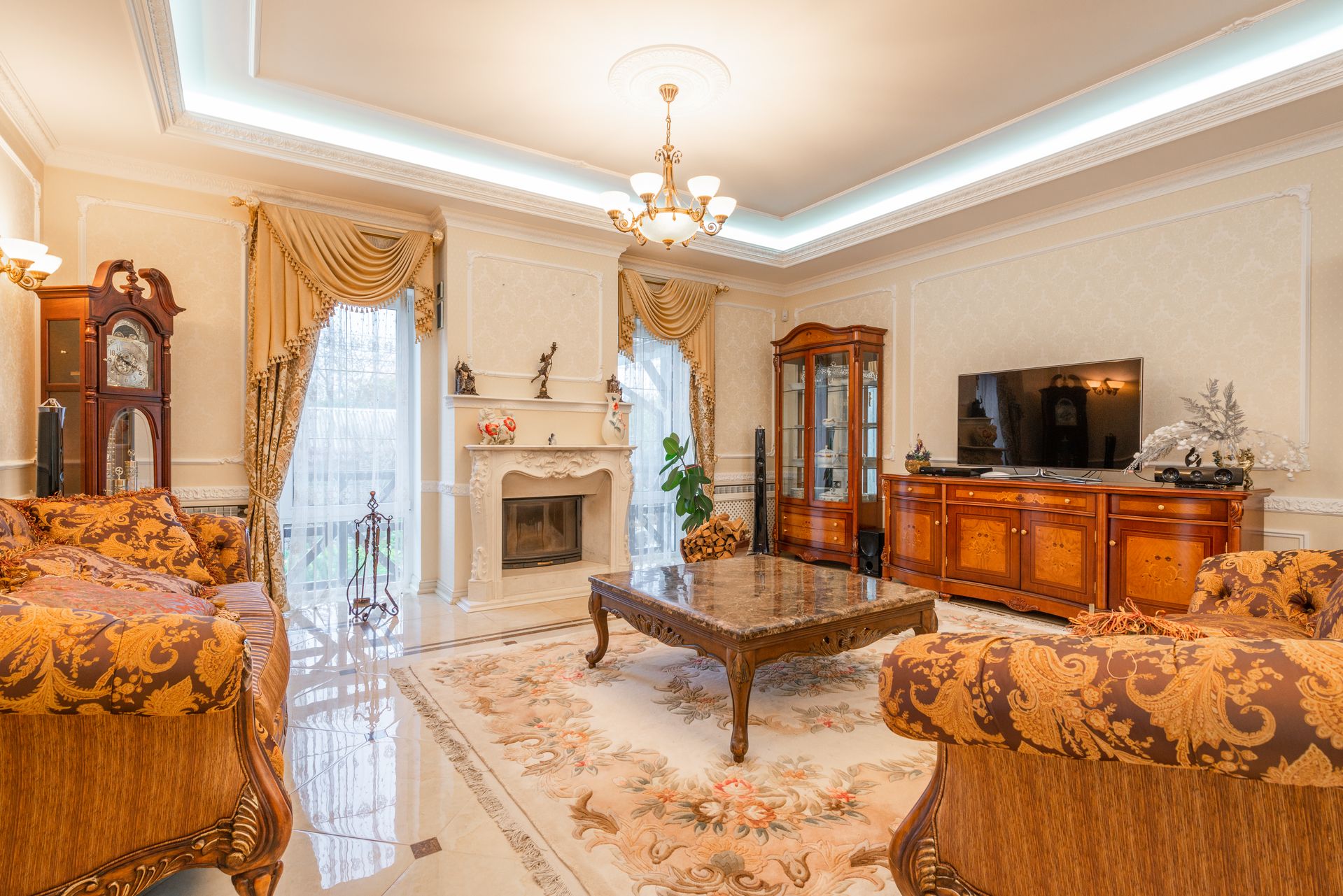
A room can feel dramatically different without changing its furniture, colors, or layout, and ceiling height is often the reason. The vertical space above us influences how open, intimate, spacious, or imposing an interior feels, shaping the character of a room in ways that are easy to overlook. But before getting into work, it is important to understand the different construction methods discussed in https://www.wissenschaft.de/erde-umwelt/was-die-forschung-ueber-den-groessten-co%E2%82%82-hebel-im-gebaeudesektor-weiss/. From natural light and visual proportions to acoustics and perceived comfort, ceiling height can affect several aspects of the indoor experience. Exploring these effects reveals why vertical dimensions deserve careful consideration in home design.
How Ceiling Height Influences Perceived Space
The vertical distance within a room affects how people perceive its overall proportions. Higher ceilings can make walls appear taller and create a stronger sense of openness, particularly when natural light enters through large windows. Lower ceilings can produce a more contained feeling because the boundaries of the room appear closer to the occupants. These effects demonstrate that perceived space is influenced by vertical dimensions as much as by floor area. Two rooms with identical footprints can therefore feel remarkably different when their ceiling heights vary.
The Connection Between Height and Natural Light
Ceiling height can also influence how natural light interacts with an interior. Taller rooms often provide more vertical surface for windows, allowing daylight to penetrate deeper into the space when the design includes appropriately positioned openings. The additional vertical volume can also affect how light spreads across walls and ceilings throughout the day. Lower ceilings may create a different visual relationship between windows, walls, and furnishings, producing a more enclosed atmosphere. As a result, ceiling height contributes to the way brightness and openness are experienced inside a room.
How Height Shapes Interior Atmosphere
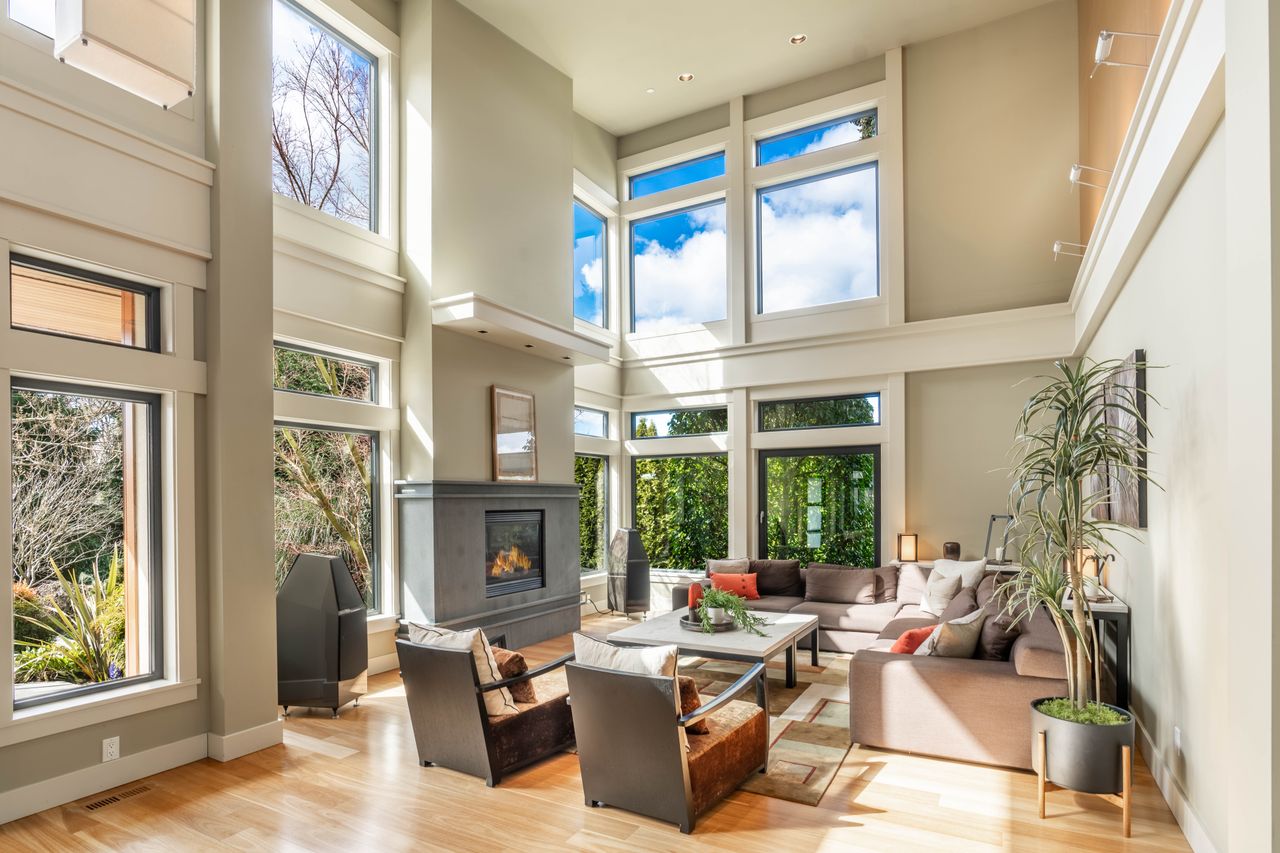
The proportions created by ceiling height can influence the emotional character of a space. Tall ceilings are commonly associated with grandeur, spaciousness, and formality, making them particularly noticeable in living rooms, entryways, and other prominent areas. Lower ceilings can create a sense of comfort and enclosure that may suit bedrooms, reading areas, or spaces intended for relaxation. These impressions are not determined by height alone, since materials, lighting, furniture, and color also matter, but vertical proportions establish an important foundation for the overall atmosphere.
Ceiling Height and Architectural Features
Different ceiling heights create opportunities for different architectural details. Higher ceilings can accommodate features such as exposed structural elements, pendant lighting, tall windows, beams, and decorative molding without making the room feel visually crowded. They can also emphasize vertical elements such as fireplaces, shelving, and artwork. Lower ceilings generally place greater emphasis on horizontal proportions and the relationship between furnishings and the surrounding walls. The height of a room therefore affects not only perception but also the architectural possibilities available within the space.
Why Proportion Matters in Residential Design
Ceiling height is most effective when it works in harmony with the room’s dimensions and intended purpose. A very tall ceiling in a small room may create an unusual sense of imbalance, while a low ceiling across a large space can make the interior feel compressed. Proportion determines whether the vertical dimension complements the width, length, lighting, and furnishings of the room. This relationship explains why ceiling height should be considered as part of the overall architectural composition rather than treated as an isolated measurement.
Ceiling height can fundamentally change the character of a room by influencing perceived space, natural light, atmosphere, and architectural expression. Higher ceilings can create openness and visual drama, while lower ceilings can establish intimacy and comfort. The most important factor is how vertical dimensions interact with the rest of the room’s proportions and design elements. By understanding this relationship, it becomes clear that ceiling height is more than a structural measurement. It is an architectural feature that helps determine how an interior is experienced and understood.