
Indoor air quality has become a major concern for homeowners, as poor ventilation, toxic building materials, and everyday pollutants can significantly affect health. Eco-friendly homes like the ones discussed on the energieheld site address this issue by incorporating sustainable design and materials that create cleaner, healthier living spaces. Beyond reducing environmental impact, these homes are designed with the well-being of occupants in mind. By improving air circulation, limiting harmful chemicals, and integrating natural elements, eco-friendly constructions ensure that the air inside a home is as fresh and safe as possible.
Use of Non-Toxic Building Materials
Traditional construction materials often contain chemicals such as formaldehyde and volatile organic compounds (VOCs), which are released into the air over time. These substances can cause headaches, respiratory irritation, and long-term health risks. Eco-friendly homes avoid these problems by using non-toxic paints, natural insulation, and sustainable finishes. Materials like bamboo, cork, and reclaimed wood not only reduce environmental impact but also ensure healthier indoor environments. This conscious choice of safer building materials is one of the most effective ways for eco-friendly homes to protect air quality.
Better Ventilation and Airflow
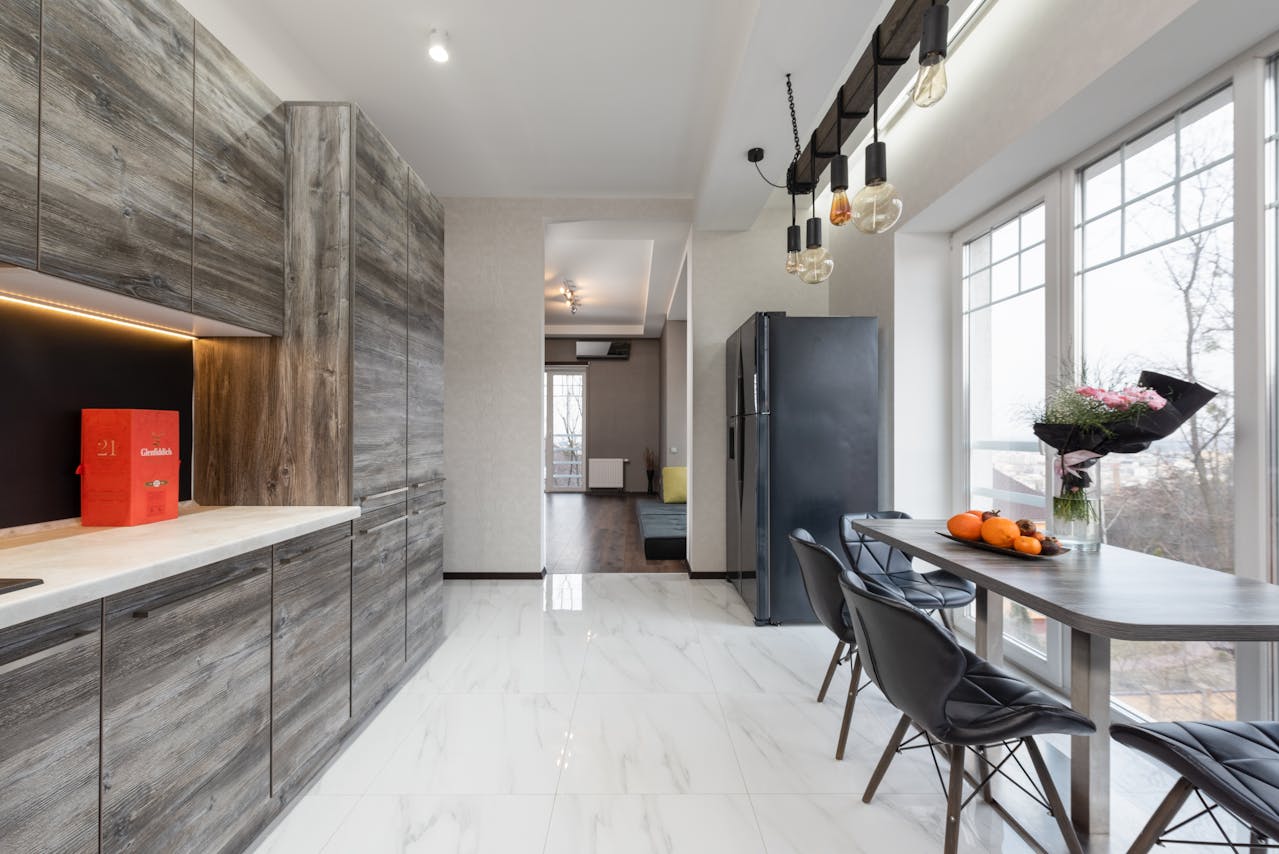
Eco-friendly designs emphasize natural ventilation and energy-efficient systems that maintain steady airflow throughout the home. Features such as operable windows, skylights, and strategically placed vents allow for fresh air circulation, reducing the buildup of indoor pollutants. Some sustainable homes also integrate advanced HVAC systems with energy recovery ventilators, which filter and refresh indoor air without wasting energy. This balance between comfort and sustainability ensures that residents breathe cleaner air while reducing reliance on artificial cooling and heating.
Control of Humidity and Moisture
Poor indoor air quality is often linked to excess humidity, which can encourage mold growth and create an uncomfortable environment. Eco-friendly homes address this by using materials and systems that regulate moisture naturally. Sustainable insulation, breathable wall finishes, and proper sealing techniques prevent dampness while still allowing healthy airflow. By keeping humidity levels balanced, eco-friendly constructions reduce the risk of allergens and improve overall air quality for occupants.
Incorporation of Natural Elements
Eco-friendly homes often integrate natural elements that enhance air quality in subtle but effective ways. Indoor plants, for instance, act as natural air filters by absorbing pollutants and releasing oxygen. Green roofs and living walls extend this principle, providing not only insulation but also healthier air in and around the home. The use of natural lighting also reduces dependence on artificial sources, limiting heat buildup and contributing to better indoor comfort. These design choices show how ecological constructions connect environmental sustainability with human health.
Reduced Exposure to Indoor Pollutants
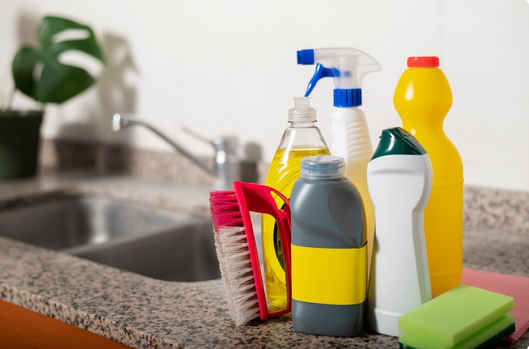
Everyday household products such as cleaning agents, furniture finishes, and synthetic carpets can release pollutants into the air. Eco-friendly homes are designed to minimize this exposure by encouraging the use of sustainable alternatives. Natural fiber carpets, organic fabrics, and low-chemical cleaning solutions are often part of eco-conscious lifestyles, complementing the home’s construction. Together, these choices reduce the overall concentration of pollutants indoors, resulting in fresher, safer air for residents.
Eco-friendly homes improve …