The Anti-Perfect Home: Why Imperfection Should Be Built Into the Blueprint

When you imagine your dream home, it’s easy to picture perfection. The layout flows effortlessly, the light hits just right, and every space serves a clear, Pinterest-worthy purpose. But here’s a thought: what if chasing that level of perfection is actually making homes harder to live in? Welcome to the era of the anti-perfect home. More architects and homeowners are starting to embrace the idea that imperfection—whether it’s a quirky layout or an unused corner—can lead to homes that feel more authentic, more personal, and more livable in the long run.

The Myth of the Flawless Floor Plan

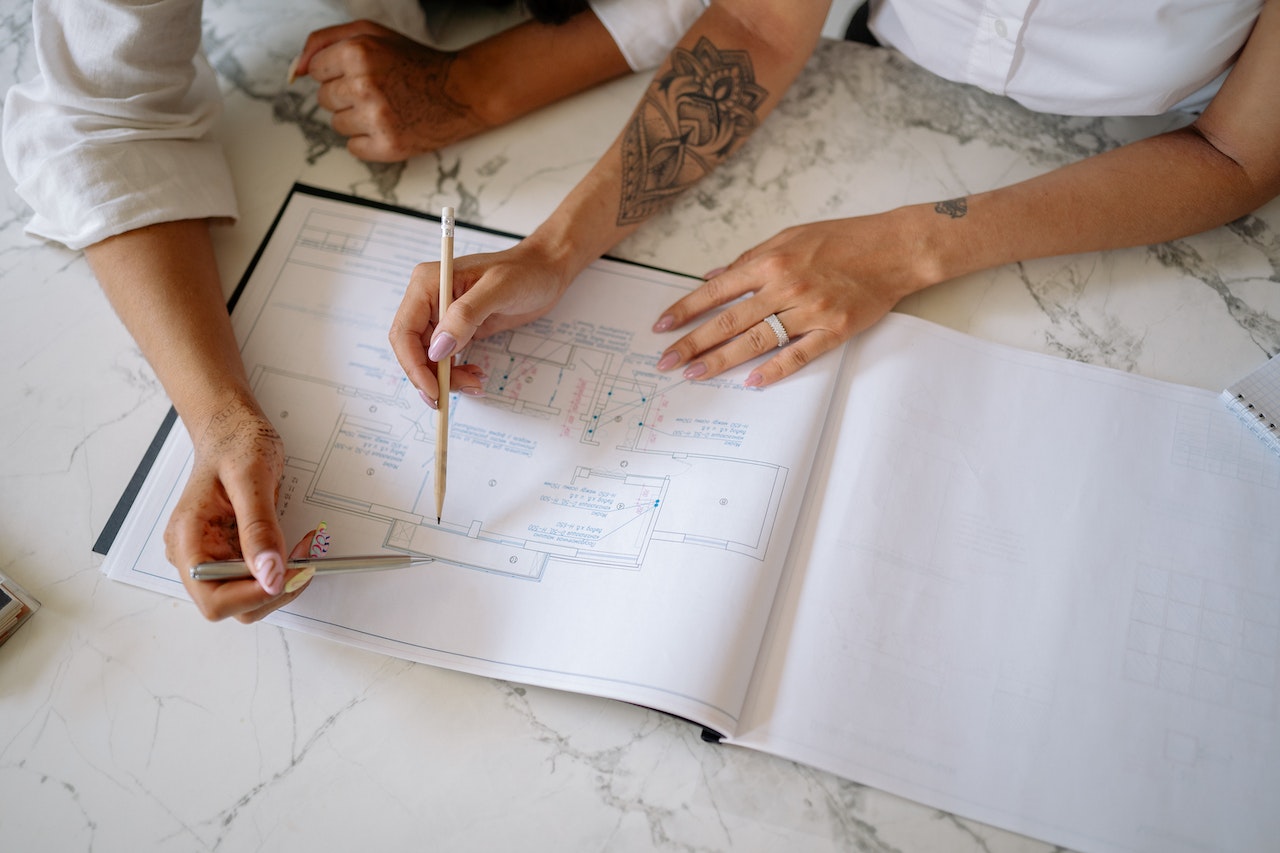
We’ve been trained to think every square meter should be optimized digitally, as suggested by WOCHENSPIEGEL. But when everything is “just right” on paper, it often doesn’t hold up in real life. One of the most common regrets among new homeowners is that their “perfect” plan didn’t adapt well to their actual lifestyle. Maybe the open kitchen gets too noisy, or that extra guest room is never used. The reality is that people don’t live perfectly, and homes shouldn’t be designed like they do.

Personality Over Precision

When a house has a little bit of character—an oddly placed window, an unexpected nook, or a slightly uneven wall—it often feels warmer and more human. These so-called imperfections give a home personality. Think about the older homes we admire for their charm. They weren’t laser-cut into place; they evolved, shaped by the needs and quirks of the people who lived there. New builds can embrace that same spirit by letting go of rigidity and allowing for a little creativity.

Flexibility More Than Symmetry

One of the best arguments for designing with imperfection in mind is flexibility. Life changes—families grow, jobs move, hobbies evolve—and your home should be able to flex with you. Instead of trying to create a floor plan that’s perfect for today, it’s often smarter to build in “extra” space that’s undefined. That corner might start as a reading nook and become a play area or workspace later on. A hallway might seem oversized now, but it could be the perfect spot for storage down the line. These in-between spaces may feel like imperfections on paper, but they become assets over time.

Beauty in the Lived-in Look
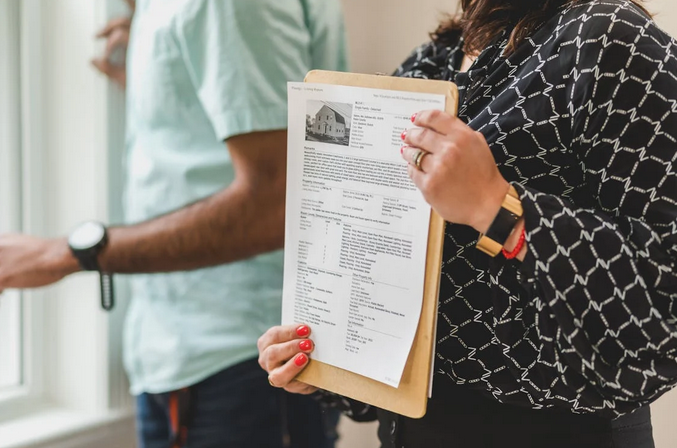
A home that’s too perfect can actually feel… uncomfortable. Think of those spaces where you’re afraid to sit on the couch or spill a drop of coffee. They might photograph beautifully, but they don’t feel welcoming. Homes are meant to be lived in, and that means allowing for wear and tear, for messes, for surprises. Designing with natural materials, breathable layouts, and forgiving finishes creates a space that grows with you, not one that you’re constantly trying to protect.

How to Let Go of the Ideal

Ultimately, the anti-perfect home philosophy is about letting go of rigid design rules, of other people’s standards, and of the illusion that there’s one “right” way to live. When you stop aiming for a magazine spread and start …


Tips to Consider When Choosing Floor Plans

Choosing the right floor plan is crucial when designing or buying a home. The best floor plans determine how well the space will function for you and your family, affecting everything from daily living to future resale value. With a wide range of options available, it can be overwhelming to select the perfect layout. This decision goes beyond aesthetics; it involves carefully analyzing your lifestyle, needs, and preferences. Whether you are a growing family, a couple, or someone looking for a home office, understanding what to prioritize is essential. Here are some key tips to consider when choosing the best floor plan for your new home.

Understand Your Lifestyle Needs

The first step in choosing floor plans is to assess your lifestyle and how you intend to use the space. Consider the size of your family and any future plans, such as expanding your family or accommodating an elderly relative. Think about your daily routines and the activities that you enjoy. Do you need a dedicated home office, a spacious kitchen for entertaining, or multiple bathrooms for a large family? Your specific needs should dictate the layout you choose. For example, an open floor plan with a large kitchen and living area might be ideal if you enjoy hosting guests frequently. Conversely, if privacy is a priority, a layout with separated bedrooms might be more suitable.

Consider the Flow and Functionality

The flow of a floor plan refers to how spaces connect and interact, and choosing a plan that promotes comfort and convenience is essential. A good floor plan should allow for a natural flow of movement, minimizing any awkward or obstructed pathways. For instance, the kitchen should be easily accessible from the garage or the entrance to make it easier to carry groceries. Similarly, bedrooms should be situated away from noisy living areas to ensure peace and quiet. Consider how rooms connect to outdoor spaces as well. If you love indoor-outdoor living, look for a plan that offers easy access to patios or gardens.

Analyze the Size and Shape of Rooms

While it might be tempting to go for a floor plan with larger square footage, evaluating the size and shape of individual rooms is crucial to ensure they meet your specific needs. Large rooms are not always better, which may lead to wasted space and higher energy costs. Instead, focus on how each room will be used and whether its size and shape are appropriate. For example, a long, narrow room might feel cramped and less functional than a square or rectangular space. Similarly, small bedrooms might work well for young children but could be less practical for teenagers or guests.

Prioritize Natural Light and Ventilation

Natural light and ventilation play a significant role in a home’s overall comfort and ambiance. Consider how much natural light each room will receive when reviewing floor plans. South-facing windows tend to provide the most consistent daylight, while north-facing windows offer softer, diffused light. Ensure that the main living areas, such …

Flat Roofing Systems: Design, Maintenance, and Waterproofing Solutions

Flat roofing systems, though less common than pitched roofs, offer unique advantages and challenges. Understanding their design, implementing proper maintenance practices, and employing effective waterproofing solutions are key to ensuring durability and longevity. Let’s explore the world of flat roofing, covering design intricacies, maintenance essentials, and waterproofing strategies from https://5starroofingpros.com for optimal performance.

Designing Flat Roofing Systems

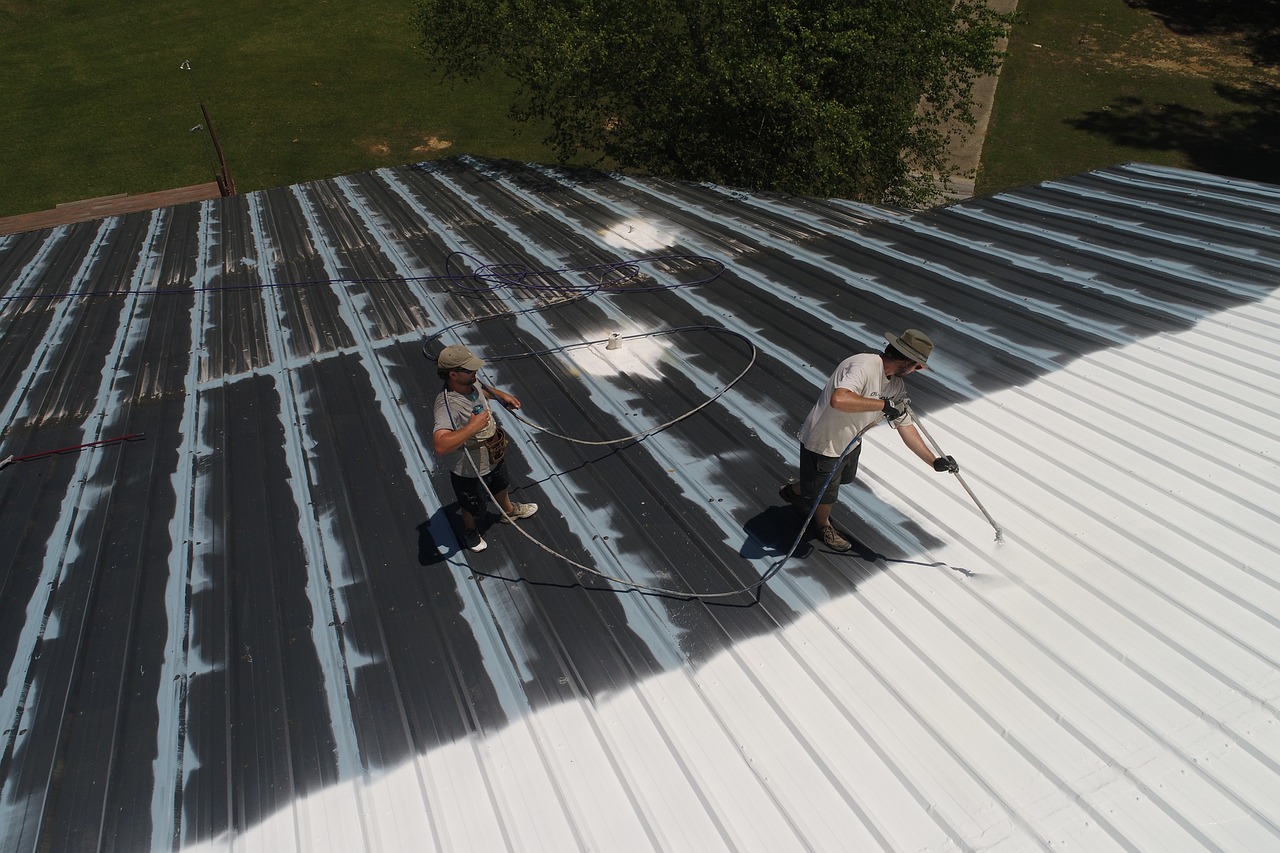
Flat roofing systems typically feature a low or nearly level slope and are common in commercial buildings, industrial structures, and modern residential homes. They offer the flexibility to incorporate more space for gardens, patios, solar panels, and HVAC units compared to traditional pitched roofs. When designing a flat roof system, several factors must be considered to ensure structural integrity. One critical factor is determining the appropriate pitch for flat roofs. Though they are called “flat,” they require a slight slope to allow water to drain efficiently. The recommended slope is typically 1/4 inch per foot, directing water toward drains or gutters. If the pitch is too low, it may result in ponding, which can lead to leaks and damage over time.

gutter

Flashing and Drainage Systems

Flashing is another fundamental element of flat roof design. It serves as a waterproof barrier, sealing joints, and vulnerable areas such as vents, chimneys, skylights, and walls. Improper or damaged flashing can cause water to seep into the roofing system, leading to structural damage and mold growth. Regular inspections should be conducted to ensure that the flashing is in good condition and promptly replaced if any issues are detected. Drainage systems, such as gutters and downspouts, also play a crucial role in flat roof design. They are responsible for collecting and directing water away from the building’s foundation, preventing water damage.

Maintaining Flat Roofing Systems

Proper maintenance is key to extending the lifespan of flat roofing systems. Regular inspections should be carried out at least twice a year to identify and address any issues early on. Inspections should include checking the surface for cracks, blistering, or other signs of damage. Gutters, flashing, and drainage systems should also be inspected for blockages or damage. Any debris or dirt buildup can hinder proper water flow and cause potential leaks. It is important to keep flat roofs clean and free of debris to prevent water from pooling.

roof

Waterproofing Solutions for Flat Roofs

Due to their low slope, flat roofs are more susceptible to leaks and water damage compared to pitched roofs. As such, implementing effective waterproofing solutions is crucial in maintaining the integrity of the roofing system. One common method is using a waterproof membrane, which serves as a protective layer between the roof and external elements. This membrane can be made of different materials, such as rubber, PVC, or bitumen. Other waterproofing techniques include sealants, coatings, and specialized tiles or shingles designed for flat roofs.

In Conclusion

Maintaining and waterproofing flat roofing systems requires attention to detail and proactive care. By understanding the design considerations, implementing regular maintenance, and employing effective waterproofing solutions, homeowners can ensure the durability and reliability …

The Advantages of Building a House vs Buying One

Are you dreaming of your perfect home? A place that truly reflects your unique style and preferences? Well, buckle up because today we are going to explore the advantages of building a house from scratch. Today, more and more people are opting for prefabricated houses. If you are interested, you can read the article from HOMIFY. From customization options that allow you to create your dream living space, to modern design and technology that can enhance your daily life, there are numerous benefits to embarking on this exciting journey. So let’s dive in and discover why building might just be the right choice for you.

floor plan

Customization

When it comes to building a house, one of the biggest advantages is the level of customization it offers. Buying a pre-existing home may limit your options regarding design and layout, but when you build from scratch, the possibilities are endless. Imagine being able to choose every aspect of your home – from the floor plan and room sizes to paint colors and finishes. You have complete control over how your space will look and function. Want an open-concept kitchen? No problem. Need an extra bedroom for guests or a home office? Consider it done.

living room

Modern Design and Technology

One of the major advantages of building a house versus buying one is the opportunity to incorporate modern design and technology into your home. When you build from scratch, you have complete control over every aspect of your home’s design, allowing you to create a space that reflects your personal style and preferences. With advancements in technology, there are now countless options available to homeowners when it comes to integrating smart systems and eco-friendly features into their homes. From energy-efficient appliances to automated lighting and security systems, these additions enhance convenience and help reduce energy consumption and lower utility bills. Furthermore, when building a house, you can take advantage of innovative construction materials and techniques that may not be available in pre-existing homes. This allows for more efficient insulation, better soundproofing, improved air quality systems, and overall increased comfort for occupants.

repair

Lower Maintenance

The most appealing advantages of building a house is the lower maintenance it requires compared to buying an older home. When you build your own house, everything is brand new and in perfect working condition. This means fewer repairs and upkeep in the long run. With a newly built house, you can choose low-maintenance and durable materials. For example, opting for vinyl siding instead of wood siding can save you from having to repaint or repair rotting boards. Additionally, modern construction techniques often include energy-efficient features like insulated windows and efficient HVAC systems, reducing your overall maintenance costs.

While buying an existing home may seem more convenient initially due to its ready availability, building your own house provides numerous advantages worth considering. The ability to customize every detail according to your specific needs and desires is unmatched by any other option available in today’s real estate market. By opting for new …