
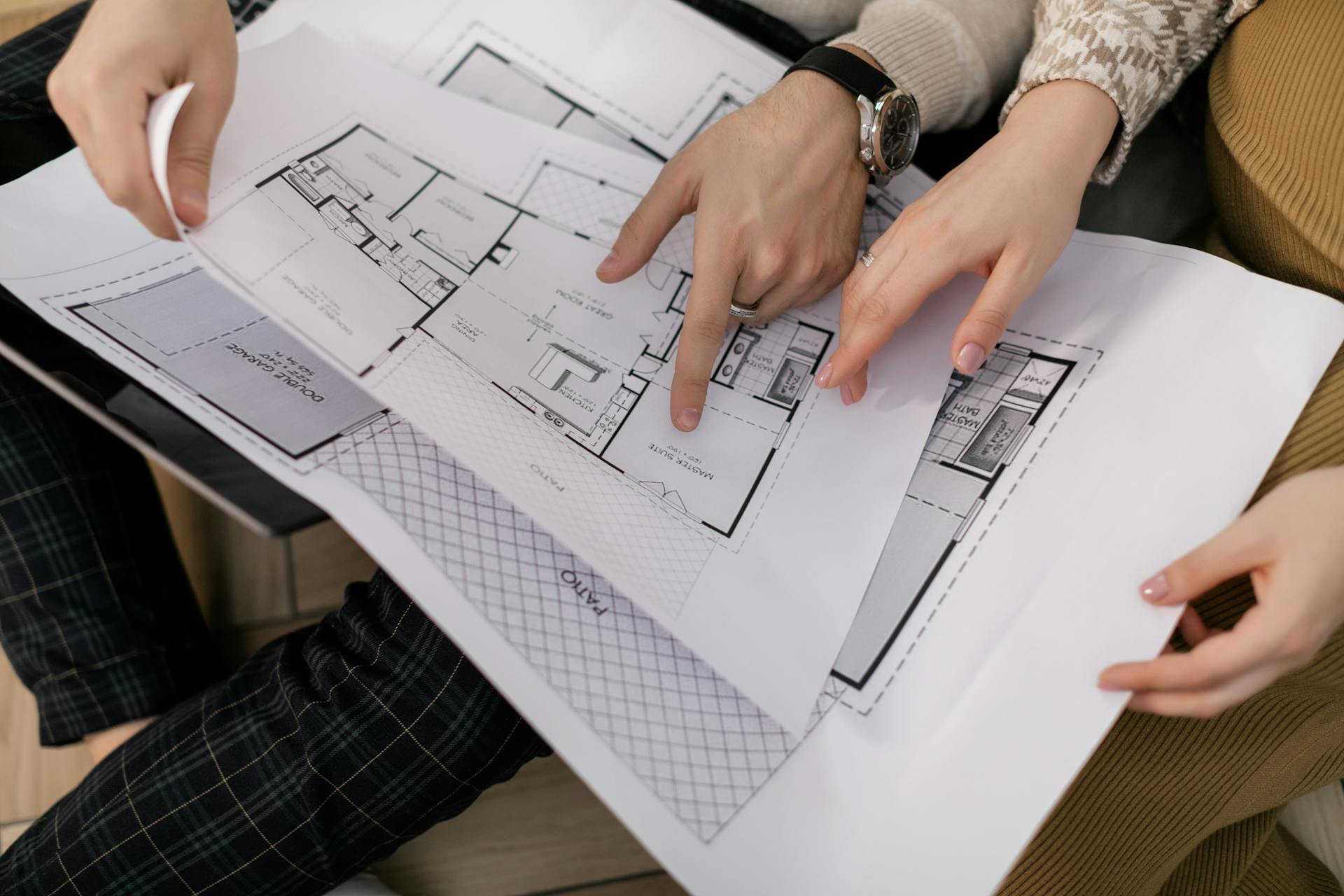
Planning electrical work during a home renovation is one of the most critical steps in ensuring safety, efficiency, and long-term functionality. Electrical systems form the backbone of modern living, powering lighting, appliances, climate control, and digital devices. Renovations offer an electrician a valuable opportunity to upgrade outdated wiring, improve energy efficiency, and adapt the home to current and future needs. However, without careful planning, electrical mistakes can lead to costly repairs or safety hazards. A structured approach helps homeowners coordinate upgrades with construction phases while maintaining compliance with building regulations and safety standards.
Assess Current Electrical Capacity
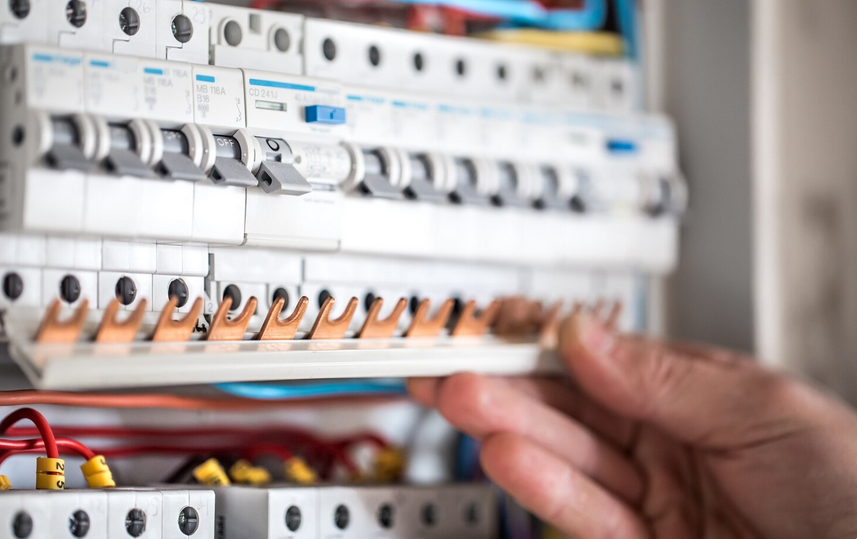
Before beginning any renovation, it is important to evaluate the existing electrical system. Older homes may have outdated panels, insufficient circuit capacity, or wiring that does not meet current safety codes. Understanding the system’s load capacity ensures it can handle new appliances, lighting fixtures, or additional outlets. Renovations often increase electricity demand, particularly when adding modern kitchens, home offices, or entertainment systems. Conducting a thorough assessment allows homeowners to determine whether panel upgrades or rewiring are necessary before opening walls or making structural changes.
Prioritize Safety When Installing Heating Systems
Safety should always be a top priority when installing any type of heating system during a home renovation. Heating equipment that relies on electricity must be installed carefully to prevent electrical overload, overheating, or potential fire hazards. Proper circuit protection, grounding, and load distribution are essential to ensure the system operates safely within the home’s electrical capacity. A licensed electrician can assess the wiring requirements, install dedicated circuits if needed, and ensure that all components meet current electrical codes and safety standards. Careful installation not only protects the household but also ensures the heating system runs efficiently and reliably over the long term.
Define Future Power Needs
Electrical planning should consider not only present requirements but also future usage. Renovations offer an opportunity to anticipate evolving technology and lifestyle changes. Adding extra outlets, dedicated circuits for high-powered appliances, and provisions for smart home systems can prevent the need for later modifications. Strategic placement of switches and fixtures improves convenience and functionality. Thinking ahead ensures that the upgraded electrical system supports both immediate renovation goals and long-term household needs without frequent adjustments.
Coordinate With Renovation Phases

Electrical work must align closely with construction schedules. Wiring installation typically occurs after framing but before drywall is completed. Coordinating electricians with contractors ensures that cables, junction boxes, and outlets are properly positioned before walls are sealed. Clear communication between all parties reduces delays and prevents rework. Planning early also allows sufficient time for inspections, which are often required before the next construction phase proceeds. Proper sequencing minimizes disruptions and maintains project efficiency.
Budget for Quality Materials and Labor
Electrical upgrades can represent a significant portion of renovation costs, particularly when panels or major rewiring are involved. Allocating sufficient budget for quality materials and skilled labor prevents compromises that may lead to future issues. Investing in energy-efficient lighting, modern breaker panels, and durable wiring improves system performance and reduces maintenance costs over time. Clear budgeting allows homeowners to prioritize essential upgrades while maintaining financial control throughout the renovation process.
Planning electrical work during a home renovation requires careful assessment, forward thinking, coordination, safety compliance, and realistic budgeting. By evaluating current capacity, anticipating future needs, aligning work with construction phases, adhering to safety standards, and investing in quality components, homeowners can create a reliable and efficient electrical system. Thoughtful preparation ensures the renovation enhances both comfort and long-term functionality, providing a safe, modern living environment for years to come.