
Creating additional living space doesn’t always mean tearing down walls or starting a massive construction project. With smart planning and thoughtful design, homeowners can use creative ways to expand living space to make their homes feel larger and more functional. Even small adjustments or additions can dramatically improve comfort, usability, and visual appeal.
It’s about stretching existing space creatively rather than relying solely on physical expansion. Repurposing areas and adding multi-functional zones can unlock hidden potential in your home. Attics, basements, or underutilized nooks can become workspaces, playrooms, or mini-lounges. Clever layouts and smart furniture maximize impact without heavy spending.
Add Small Vertical or Modular Extensions
Sometimes, the vertical plane is the easiest way to grow living space. Lofted areas, mezzanines, or compact overhead storage can add function without altering the footprint. Modular additions, such as tiny rooms or pods, provide quick expansion options. These solutions are ideal for homeowners seeking practical yet imaginative alternatives. Rethinking walls, ceilings, and storage maximizes potential. Ceiling-mounted shelving or lofted beds free floor space while creating usable zones. Modular units can adapt as family needs change. Vertical expansion is often cost-effective and visually impactful.
Reconfigure Existing Rooms

One simple way to gain extra space is by rethinking current layouts. Open-plan designs remove barriers and allow light to flow freely, creating a sense of expansion. Combining living and dining areas or relocating furniture can redefine functionality. Minor adjustments often yield major visual and practical improvements. Adding built-in storage or partition walls can make a space more flexible. Sliding doors or foldable panels allow rooms to serve multiple purposes. This approach reduces clutter while adding usable square footage. By creatively reshaping existing areas, homes feel larger without major construction.
Utilize Outdoor Spaces Effectively
Backyards, patios, and balconies can act as functional living extensions. Adding shaded seating, decks, or pergolas creates outdoor rooms for dining, relaxing, or working. Well-planned landscaping enhances usability and aesthetic appeal. Even compact yards can become versatile zones with thoughtful design. Consider screened porches or semi-permanent structures to increase year-round usability. Outdoor lighting and weatherproof furniture improve comfort and ambiance. These upgrades are often cheaper than indoor expansions. Functional outdoor areas offer both lifestyle benefits and added value.
Incorporate Multi-Functional Furniture
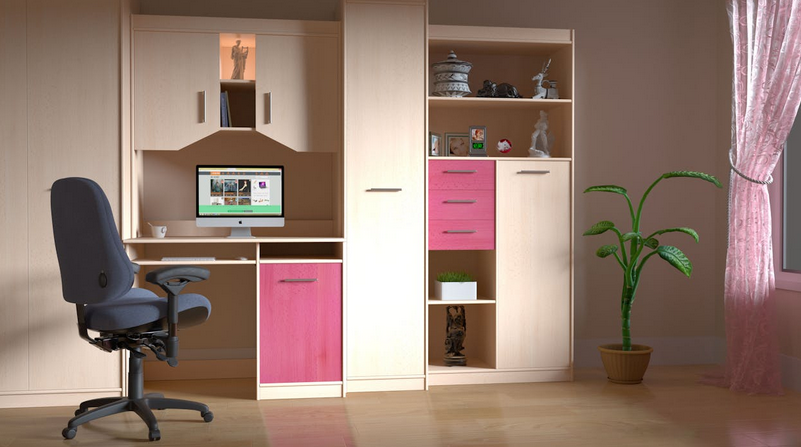
Furniture that serves multiple purposes can expand usable space instantly. Sofa beds, storage benches, and folding tables reduce clutter while adding flexibility. Rooms adapt to changing needs, from family activities to entertaining guests. Strategic furniture placement maximizes the sense of openness. Selecting pieces that complement the home’s style maintains a polished look. Cohesive design keeps multi-purpose zones from feeling chaotic. Modular or movable furniture allows future adjustments. Investing in functional furnishings delivers both efficiency and style.
Creative strategies for expanding living space can transform homes without heavy remodeling. By reconfiguring rooms, utilizing outdoor areas, choosing multi-functional furniture, and exploring vertical options, homeowners can increase functionality and comfort. Thoughtful design and planning allow homes to feel spacious, stylish, and highly adaptable.…
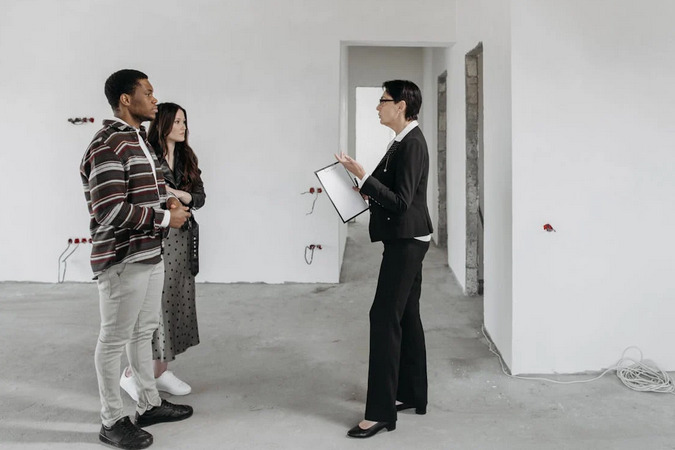
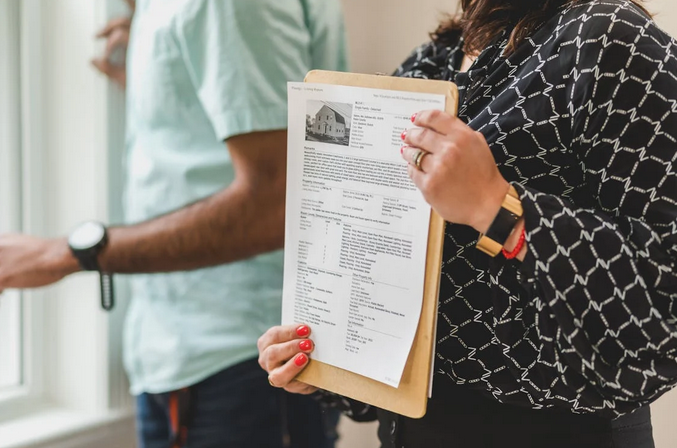
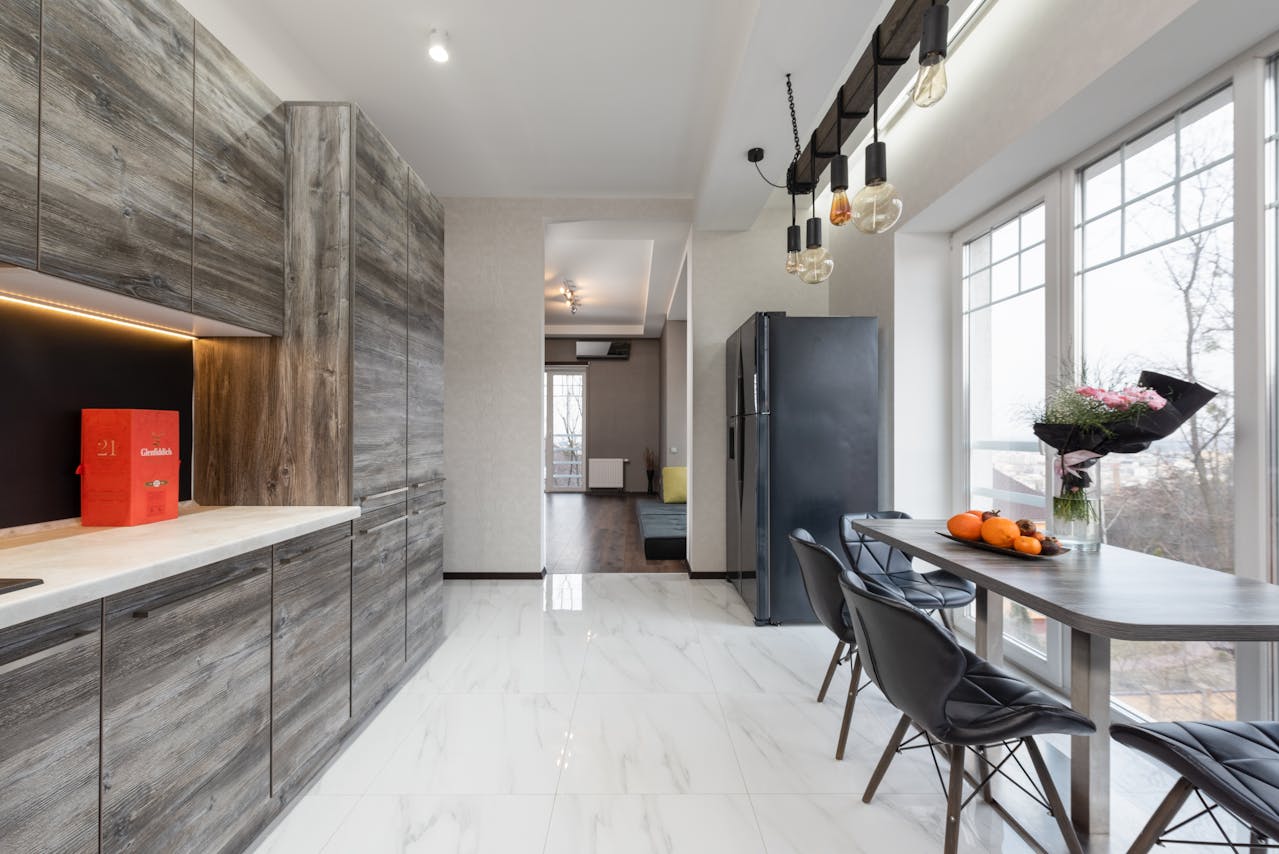
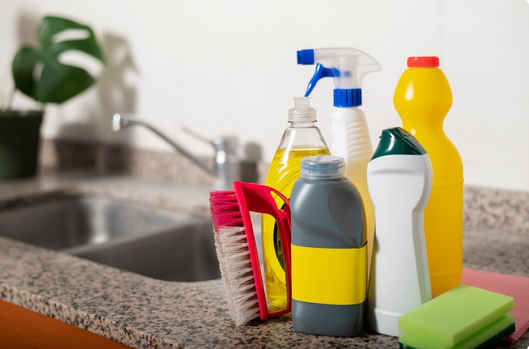
 Each design expert contributes a unique skill set to a home project. Architects are often the first point of contact, as they design the structural layout, ensuring the building is safe, functional, and compliant with local codes. Exterior designers focus on curb appeal, selecting materials, shapes, and landscaping that align with the environment and architectural vision. Interior designers, on the other hand, plan how the inside will look and feel—from room layout and lighting to color schemes and furnishings. These professionals don’t just decorate—they optimize space, flow, and comfort while tying everything together stylistically.
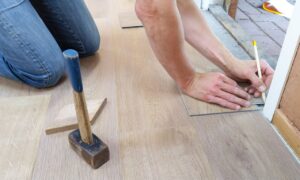 Design oversights can lead to expensive changes later. Without expert input, homeowners may choose finishes that clash, layouts that limit furniture placement, or exteriors that don’t complement the surroundings. Experts help anticipate these issues and offer tailored solutions. For example, an exterior designer will select materials that perform well in your climate, while an interior designer will consider daily routines when planning storage or room transitions. Their collective experience prevents design conflicts, saving time, money, and frustration in the long run.
 Professional installation is essential not only for safety but also for compliance with local building codes. Labor costs vary by region, but on average, you can expect to pay $500 to $1,000 for installation. This includes removing the old tank, setting up the new unit, making necessary connections, and ensuring everything is up to code. If your home requires major plumbing or electrical modifications, that price can rise significantly.
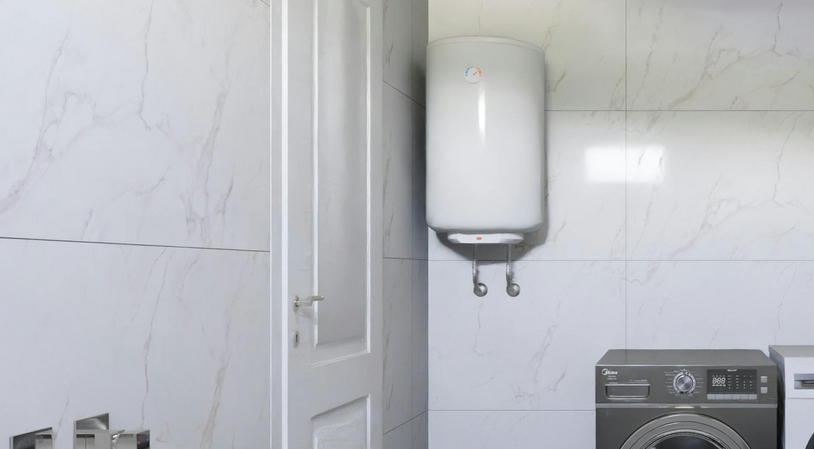 If you’re considering switching to a tankless water heater for energy efficiency and space-saving benefits, be prepared for a higher initial investment. Tankless systems can cost between $1,000 and $3,000 for the unit and $1,000 to $2,500 for installation. While they offer long-term energy savings and virtually unlimited hot water, the upfront cost is significantly higher than traditional tanks.
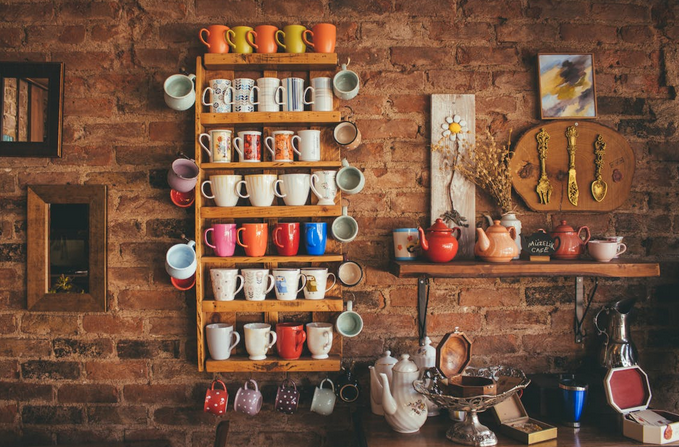




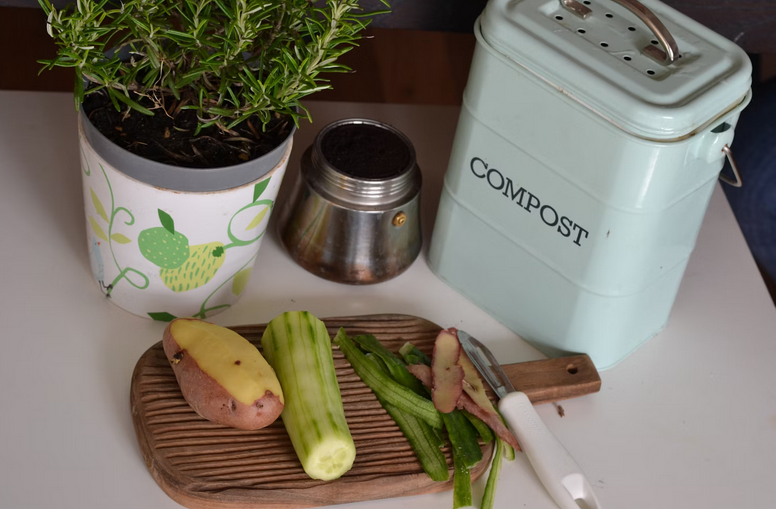
 Education is key to promoting sustainable waste management practices among tenants. Provide educational materials, such as flyers, newsletters, or workshops, to inform residents about the importance of recycling, composting, and waste reduction. Encourage tenants to take an active role in waste management by providing tips and resources for adopting eco-friendly habits. By fostering a culture of sustainability within your community, property owners can empower tenants to make environmentally conscious choices and reduce garbage fees collectively.…
 One of the most compelling reasons to prioritize energy efficiency in home construction is the potential for significant cost savings. While it may require an upfront investment, the long-term financial benefits are substantial. When your home is designed and built with energy efficiency in mind, you can expect reduced utility bills month after month. You can significantly decrease your energy consumption by implementing features such as proper insulation, high-performance windows, and efficient heating and cooling systems. Energy-efficient homes also tend to have better resale value. As more buyers become aware of the benefits of these types of properties, they are willing to pay a premium for homes with lower operating costs.
 When it comes to building a home, durability, and resilience are crucial factors to consider. A well-constructed home that is built with energy efficiency in mind will not only save you money on utility bills but also withstand the test of time. One of the key benefits of an energy-efficient home is its ability to handle extreme weather conditions. …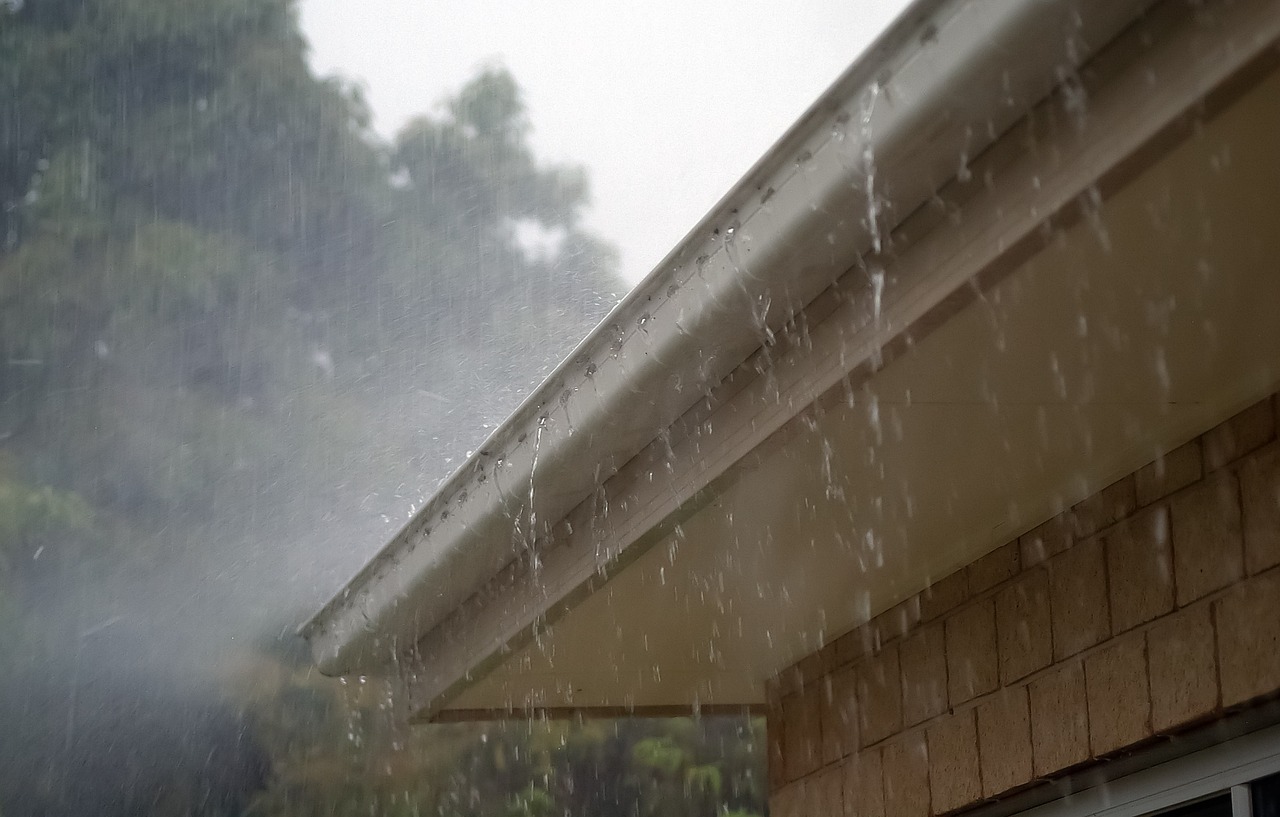
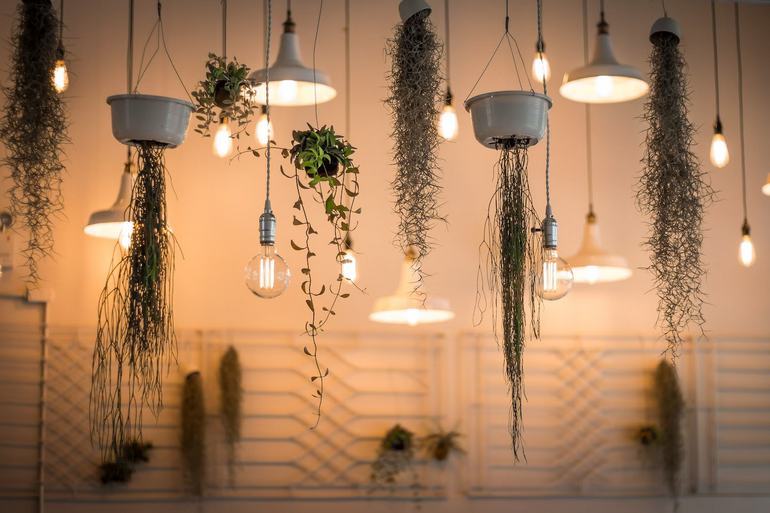
 Gone are the days when lighting was just about providing adequate brightness. Nowadays, lifestyle lighting has become an essential aspect of interior design. Lifestyle lighting focuses on enhancing our daily activities and improving our overall well-being. It takes into consideration factors such as task-specific illumination, mood-enhancing lights, and even color-changing options.


 One of the main benefits of having a sump pump in your home is that it can help protect you from sewage backups. Sewage backups are one of the worst things that can happen to any homeowner and often cause significant damage. A sump pump works by pumping water away from your home and keeping it away, so if there ever were a sewage backup, it would be kept away from your home.
 Another common misconception about
  Another mistake people make is using hot water for laundry. While it may seem like using hot water will get your clothes cleaner, it uses more energy and costs more money. Instead, you should use cold water for your laundry. It will save you money on your electricity bill and is better for the environment. Also, did you know you can save money by washing your clothes in cold water and then line drying them?
 One of the main reasons to invest in improving your home’s exterior is that you will see a direct correlation in the value of your home. By fixing up the outside of your house, you are essentially increasing its curb appeal and making it more attractive to potential buyers. If you are thinking of selling your home in the near future, then it is definitely worth your while to invest in some exterior improvements.
 Improving your home’s exterior does not have to be a daunting task. In fact, it can be a fun project that you can complete in stages. This way, …
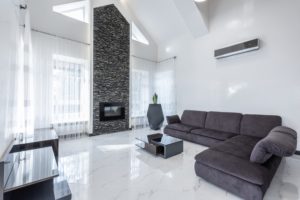 The simplest way to
  Fans are a great way to keep cool during the summer. They circulate the air and help make you feel more comfortable. If you’re using fans, make sure that you stay hydrated by drinking lots of water. It’s also important to avoid being in direct sunlight while using fans.
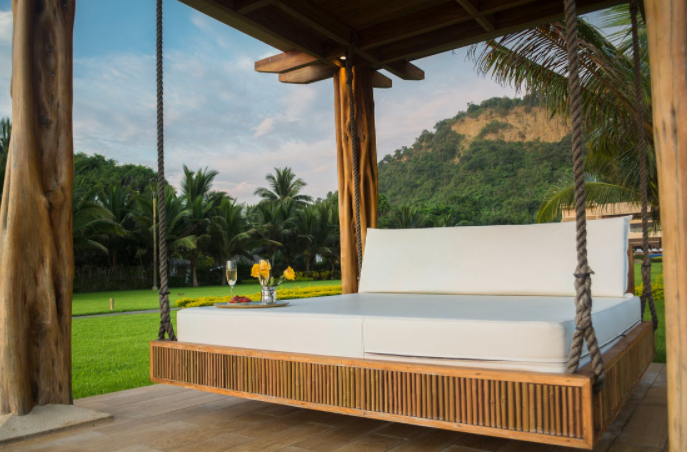 Modern houses require modern furniture like the adjustable bed. These beds take up very little space since they can be folded away when not in use. This is perfect for people who live in small apartments or houses because it frees up valuable floor space.
 Adjustable beds may seem like a luxury, but they are actually very affordable.
 Pergolas provide shade, which is a huge plus in the summertime. They can also be used to provide extra storage space. This is why many people choose to install them in their backyard. Pergolas are often less expensive than building an addition onto your home. They are also known to add to the overall value of your home. Many people who decided to sell their house have found that installing a pergola has increased its value. In fact, the buyers find the pergola so appealing that it can often decide whether they decide to buy a house or not.
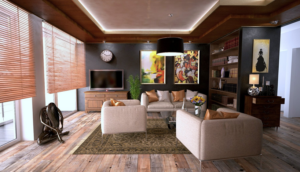 If you have curtains in your home, it is good to close them during the day. Curtains can help keep the heat out of your home, and they also provide some privacy. If you don’t want to close all of your curtains, at least make sure that the ones near your windows are closed. Many people think that they will let in some fresh air; however, this is not always the case. In fact, if it’s a really hot day outside, opening the windows can make your home hotter.
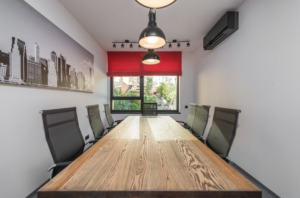 This is one of the most important things to do when keeping your home cool. If you want to keep heat out, you need a good insulation system. If you don’t have insulation, then your home can lose a lot of heat through the walls and windows. Good insulation is important to keep your house cool.
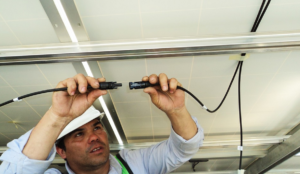 When you feel your AC unit is not cooling down your room, there might be some issues in your AC. A professional aircon service can help you solve the problem and fix your AC unit. It’s good as we can’t see the real problem with the AC units. Meanwhile, a professional aircon service has many experience and knowledge to detect the issues and fix them immediately.
 Most people want to install a new air conditioner system. If you don’t know how to start this job, then it’s good as you can let the professional handle all of that for you. They will ensure that your home has an appropriate and safe AC unit so that they won’t cause other problems in your house later on. This way, you can rest assured and enjoy your new AC without worrying about anything that can go wrong with it.
 Pay close attention to the damage itself because this will help determine how difficult it will be to fix. If the damage is on the edge of the rim, it will likely be easier to repair than if the damage is in the middle. It would help to consider how deep and wide the dent or scratch is. This is your basis for determining how much work you will have to put in.
 Once the primer has dried, you can start painting the rim. Use a brush or a spray paint to get an even coat. If you are using a different color than the original, make sure that it is a close match. You may also want to consider adding a clear coat over the top for extra protection. Let the paint dry completely before adding the tire back onto it.
 You need to determine how much you can spend on your new roof. Many factors go into determining the price of a home improvement project like this one. Like many other items, roofs tend to be priced according to their materials, quality, brand, and durability. Different roofs have different prices, and the one you choose will depend on your budget for your
  You should also consider the design of your
  It is essential to know what your roof is made of. If you are not sure how long it will last, then call a contractor for an inspection. A general rule of thumb is that wood roofs last about ten years, while asphalt lasts around twenty. However, this is not an entirely accurate measurement, and you may want to ask your contractor for more details.