
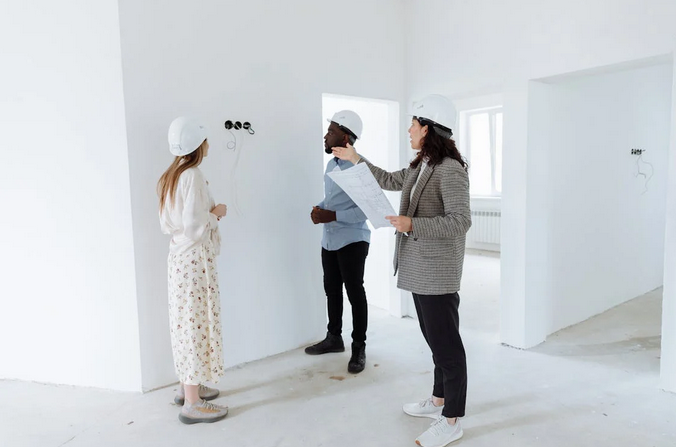
When you imagine your dream home, it’s easy to picture perfection. The layout flows effortlessly, the light hits just right, and every space serves a clear, Pinterest-worthy purpose. But here’s a thought: what if chasing that level of perfection is actually making homes harder to live in? Welcome to the era of the anti-perfect home. More architects and homeowners are starting to embrace the idea that imperfection—whether it’s a quirky layout or an unused corner—can lead to homes that feel more authentic, more personal, and more livable in the long run.
The Myth of the Flawless Floor Plan
We’ve been trained to think every square meter should be optimized digitally, as suggested by WOCHENSPIEGEL. But when everything is “just right” on paper, it often doesn’t hold up in real life. One of the most common regrets among new homeowners is that their “perfect” plan didn’t adapt well to their actual lifestyle. Maybe the open kitchen gets too noisy, or that extra guest room is never used. The reality is that people don’t live perfectly, and homes shouldn’t be designed like they do.
Personality Over Precision
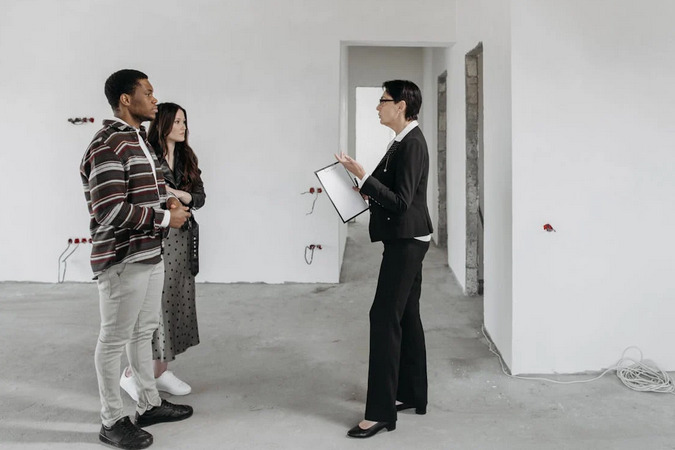
When a house has a little bit of character—an oddly placed window, an unexpected nook, or a slightly uneven wall—it often feels warmer and more human. These so-called imperfections give a home personality. Think about the older homes we admire for their charm. They weren’t laser-cut into place; they evolved, shaped by the needs and quirks of the people who lived there. New builds can embrace that same spirit by letting go of rigidity and allowing for a little creativity.
Flexibility More Than Symmetry
One of the best arguments for designing with imperfection in mind is flexibility. Life changes—families grow, jobs move, hobbies evolve—and your home should be able to flex with you. Instead of trying to create a floor plan that’s perfect for today, it’s often smarter to build in “extra” space that’s undefined. That corner might start as a reading nook and become a play area or workspace later on. A hallway might seem oversized now, but it could be the perfect spot for storage down the line. These in-between spaces may feel like imperfections on paper, but they become assets over time.
Beauty in the Lived-in Look

A home that’s too perfect can actually feel… uncomfortable. Think of those spaces where you’re afraid to sit on the couch or spill a drop of coffee. They might photograph beautifully, but they don’t feel welcoming. Homes are meant to be lived in, and that means allowing for wear and tear, for messes, for surprises. Designing with natural materials, breathable layouts, and forgiving finishes creates a space that grows with you, not one that you’re constantly trying to protect.
How to Let Go of the Ideal
Ultimately, the anti-perfect home philosophy is about letting go of rigid design rules, of other people’s standards, and of the illusion that there’s one “right” way to live. When you stop aiming for a magazine spread and start building a home that works for you, everything shifts. You might keep that weirdly narrow room because it makes a great guitar studio. Or you might leave an exposed beam that doesn’t match because it tells a story. These things won’t win design awards, but they will make your home feel like it belongs to you.
Perfection might sell blueprints, but it rarely builds happiness. The best homes aren’t flawless—they’re flexible, lived-in, and uniquely yours. When you build space for imperfection into your home, you also build space for life to happen—messy, joyful, spontaneous life. So go ahead, let the corner be a little off. Skip the symmetry. Leave room for things you haven’t even dreamed of yet. Because a house doesn’t have to be perfect to be perfect for you.